
In our laboratory, we have spent years analyzing the structural engineering, biomechanical efficacy, and material science behind resistance training equipment. What we have witnessed over the past decade—and particularly in the last 24 months—represents nothing short of a paradigm shift in how strength training hardware is conceived, manufactured, and deployed. The industry has moved from producing isolated, single-purpose machines to engineering interconnected ecosystems where every component communicates, adapts, and expands according to the user’s evolving physiological demands.
This article presents our institutional analysis of this evolution: from the static welded frames of the 1970s through the 11-gauge steel modular racks of the 2010s, and into the digitally integrated, AI-adaptive ecosystems emerging in 2025 and 2026. We will dissect the engineering principles, material standards, and biomechanical considerations that define each era—and project where the field is heading.
Structural Constraints of Early Commercial Equipment
The foundational era of gym equipment—spanning roughly from the 1960s through the early 2000s—was characterized by monolithic, welded-steel frames designed for a single movement pattern. A leg press was a leg press. A Smith machine was a Smith machine. These units were fabricated from 12-gauge to 14-gauge steel tubing (wall thicknesses of approximately 2.657 mm to 1.897 mm), which was adequate for their static load requirements but offered zero adaptability.
From an engineering perspective, these frames presented several critical limitations:
- Fixed geometry that could not accommodate anthropometric variation beyond basic seat adjustments
- Single-axis loading patterns that failed to replicate the multi-planar demands of athletic movement
- Excessive floor space consumption relative to their functional output (typically 25–40 square feet per movement pattern)
- No upgrade pathway, meaning obsolescence was built into the purchase from day one
The Biomechanical Cost of Rigidity
We must emphasize that the biomechanical consequences of static-frame design were not trivial. Fixed cable paths, predetermined lever arm geometries, and non-adjustable resistance curves meant that equipment was designed for the “average” user—a statistical construct that represents virtually no one. The result was suboptimal force application across joint ranges of motion, increased shear loading at vulnerable anatomical points, and limited capacity for progressive overload variation beyond simple load increases.
In exploring the advancements in fitness technology, a related article titled “The Future of Fitness: How Technology is Shaping Our Workouts” delves into the impact of innovative equipment on exercise routines and overall health. This article complements the discussion in “The Evolution of Modular Gym Equipment: From Static Frames to Dynamic Ecosystems” by highlighting how emerging technologies are transforming traditional workout environments into interactive and adaptable spaces. For more insights, you can read the article here: The Future of Fitness: How Technology is Shaping Our Workouts.
The Rise of the Power Rack: 11-Gauge Steel as the New Standard
Why 11-Gauge Became the Industry Benchmark
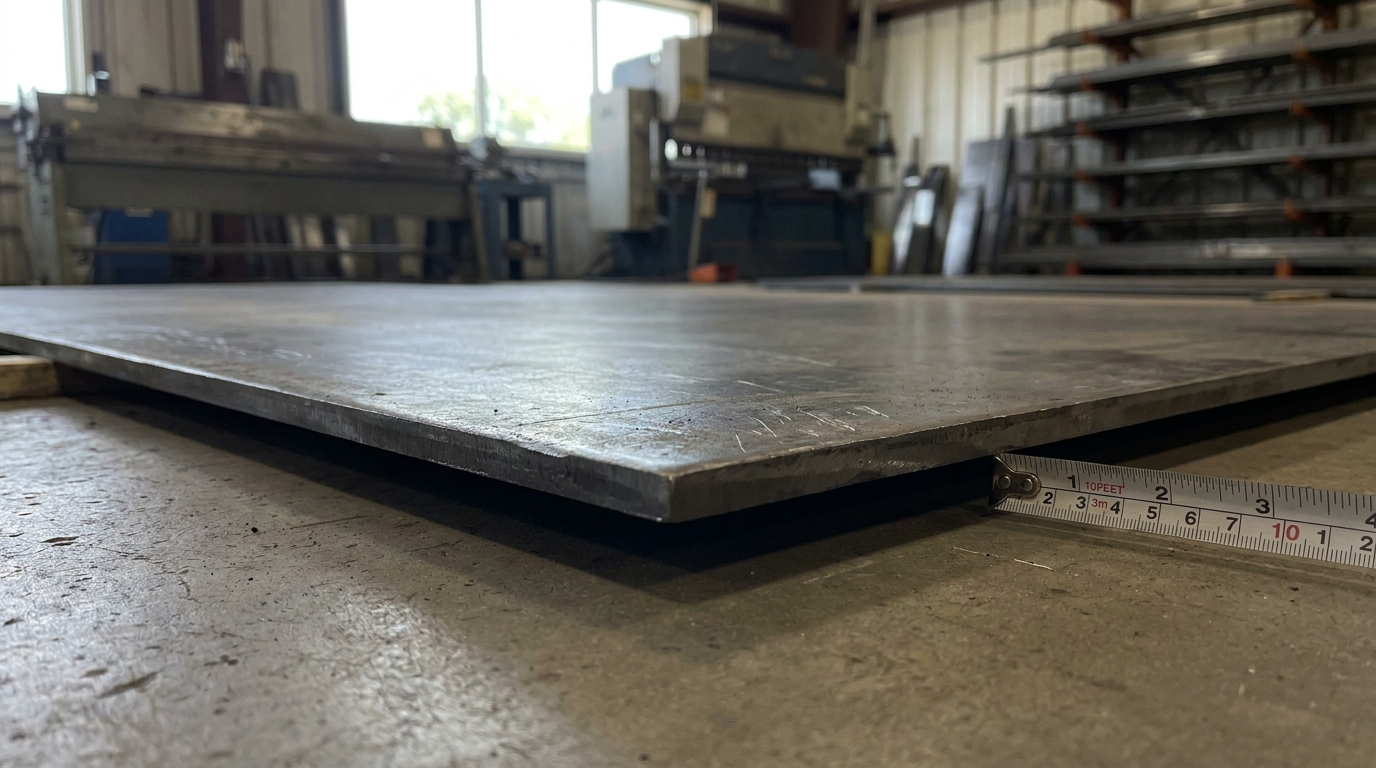
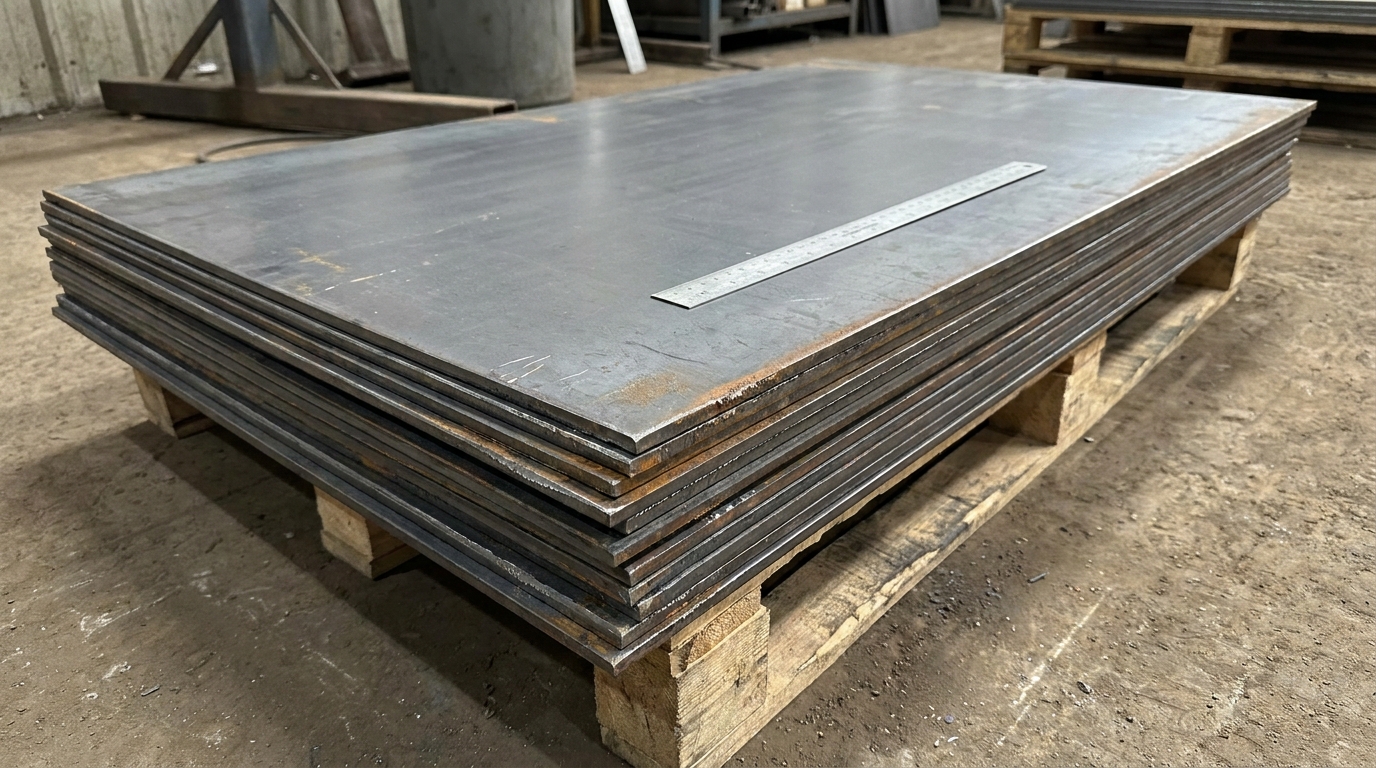
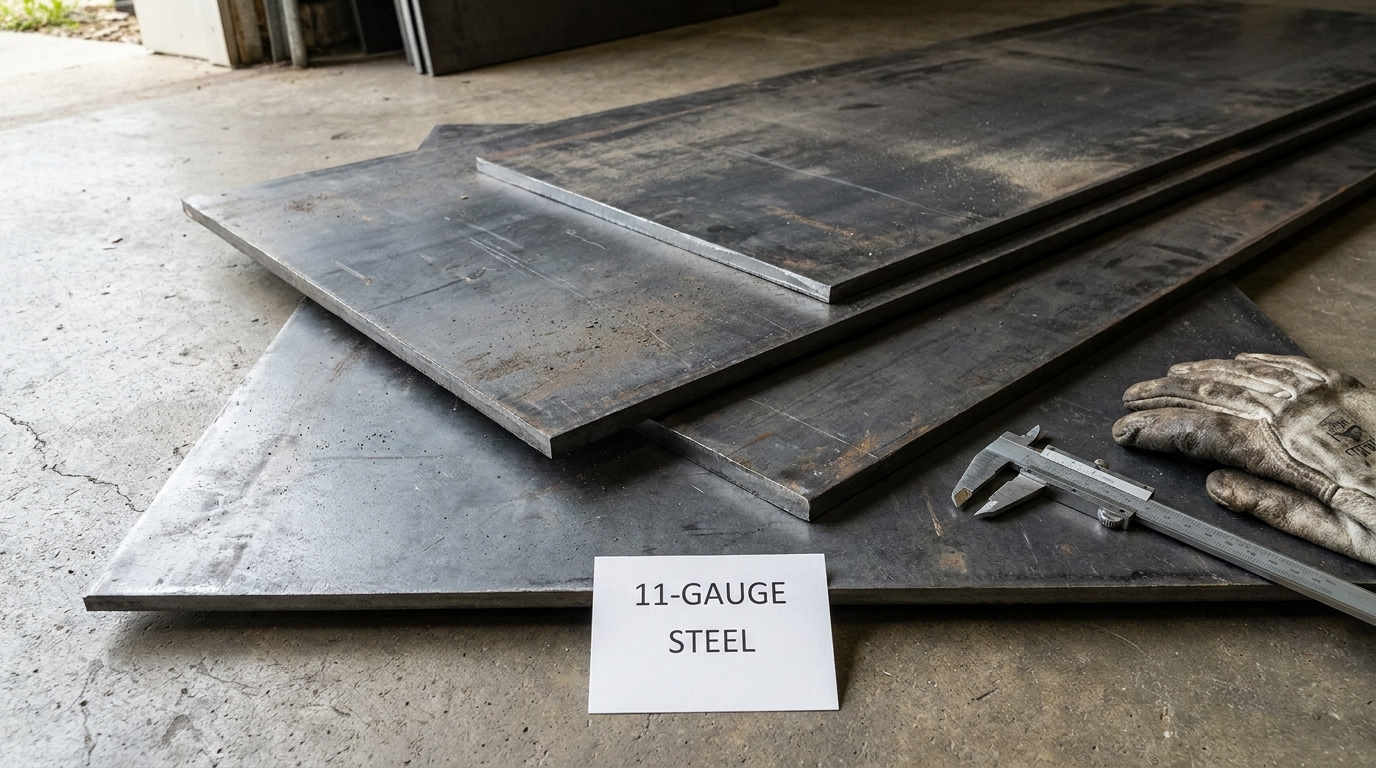
The emergence of the 3×3 power rack as the centerpiece of both commercial and home training facilities marked the first meaningful step toward modularity. The critical specification here—11-gauge steel with 3×3-inch (76.2 mm × 76.2 mm) uprights—was not arbitrary. At a wall thickness of approximately 3.048 mm, 11-gauge steel provides:
- Yield strength adequate for dynamic loading up to and exceeding 1,000 lbs of applied force, including the impulse forces generated during failed repetitions caught on safety pins
- Sufficient material for Westhole or 5/8″ hole spacing patterns without compromising structural integrity between perforations
- Weldability and fatigue resistance suitable for bolt-on attachment points that would later become the foundation of modular ecosystems
We note that the 3×3, 11-gauge specification became what we term a “compatibility standard”—an implicit agreement among manufacturers that accessories designed to these dimensions would be cross-compatible, much as the USB standard enabled peripheral interoperability in computing.
The Hole Spacing Revolution
Equally important was the standardization of hole spacing patterns. The adoption of 1-inch Westhole spacing through the bench press zone (approximately 15–30 inches from floor level in most configurations) allowed for precise barbell path positioning relative to individual sternum height, shoulder anatomy, and preferred eccentric catch depth. This represented the first time that equipment engineering explicitly acknowledged biomechanical individuality as a design priority.
The Modular Expansion: Bolt-On Components Transform the Rack Into a Platform
From Rack to Ecosystem: The Rogue and REP Paradigm
The true modular revolution began when manufacturers—most notably Rogue Fitness and REP Fitness—recognized that the 3×3 rack could serve as a structural chassis to which virtually unlimited functional modules could attach. We have documented the following bolt-on categories that have transformed single-purpose racks into comprehensive training ecosystems:
- Cable pulley systems (both plate-loaded and weight stack variants) that attach to rack uprights or crossmembers
- Belt squat assemblies that leverage the rack’s structural rigidity for axial spine-deloaded lower extremity training
- Smith machine linear bearing systems integrated within the rack footprint
- Leg press carriages that mount to rear uprights, enabling compound lower-body loading without a separate machine
- Jammer arms and lever systems that convert the rack into a plate-loaded machine with multiple degrees of freedom
The REP Fitness and Dialed Motion collaboration exemplifies this trajectory precisely. By engineering compact leg training solutions that integrate directly into existing rack infrastructure, they have eliminated the need for standalone leg machines that consume 30+ square feet of floor space while delivering a single movement pattern.
The Small-Footprint Revolution: APEX Series and Compact Modularity
In February 2026, The Tib Bar Guy introduced the APEX Series—a modular bench ecosystem that we consider a landmark inflection point. Rather than designing a bench as a static, single-function platform, the APEX system treats the bench as a central node to which specialized attachments connect and disconnect according to training demands.
This approach is significant because it applies ecosystem thinking to what was previously the simplest piece of equipment in any facility. The bench becomes a multi-role platform: flat press station, incline station, preacher curl fixture, hip thrust platform, and more—all within a footprint that a conventional flat bench would occupy. The engineering principle here is clear: maximize functional density per square foot.
We see similar principles in the WCR-600 and emerging multigym designs that optimize vertical space utilization. By stacking functional modules vertically—belt squat pulleys below, cable stations at mid-height, overhead pull systems above—these units achieve training variety ratios of 8:1 to 12:1 (movement patterns per square foot of floor space consumed) compared to 1:1 ratios of legacy equipment.
Sure, here is the sentence with the clickable link:
Check out the latest fitness program at Hypertrophy Protocol for effective muscle building.
Digitization of the Rack: Smart Integration and Connected Resistance
RepOne Strength E-Stack: Retrofitting Intelligence Into Existing Hardware
Perhaps the most strategically significant development we have analyzed is the RepOne Strength E-Stack system, which digitizes existing rack-based setups into dynamic, data-connected training platforms. Rather than requiring users to replace their carefully selected 11-gauge steel infrastructure with entirely new smart equipment, the E-Stack overlays digital resistance control, velocity tracking, and adaptive load management onto hardware already in place.
From our engineering assessment, this represents a “brownfield” approach to gym digitization—upgrading existing infrastructure rather than demanding greenfield replacement. The implications for both cost efficiency and sustainability are substantial.
Digital Resistance Competitors: The Acceleration of Connected Innovation
The market for digitally-controlled resistance systems has expanded dramatically. We have evaluated several platforms in this space:
- Speediance: Motorized resistance with electromagnetic braking systems providing accommodating resistance curves
- Freak Athlete: Leveraging digital control for sport-specific loading patterns
- Beyond Power: Compact digital resistance units with modular attachment systems
- Voltra 2.0: Second-generation digital resistance with improved force response latency
These systems share a common engineering principle: replacing gravitational mass (plates, weight stacks) with electronically controlled force generation (motors, electromagnets, pneumatics). The biomechanical advantage is the ability to program arbitrary force-displacement curves—eccentric overload, accommodating resistance, isokinetic control, and velocity-dependent loading—without physical hardware changes.
EGYM Smart Strength Series 3: Institutional-Grade Integrated Intelligence
At the commercial/institutional scale, EGYM’s Smart Strength Series 3, debuted at the HFA Show 2026, represents the most complete integration of hardware and software we have assessed. Key specifications include:
- Auto-adjusting resistance based on real-time force output and velocity data
- Eye-level integrated displays providing biofeedback without requiring the user to break visual fixation on movement execution
- Operating system architecture that connects individual machines into a facility-wide data ecosystem
This is not simply a screen bolted onto a selectorized machine. It is a purpose-engineered platform where the mechanical hardware and the digital intelligence layer are co-designed from first principles. The resistance mechanism, the user interface, and the data infrastructure exist as a unified system—not as aftermarket additions.
The evolution of modular gym equipment has transformed the fitness landscape, allowing for greater versatility and adaptability in workout routines. For those interested in exploring how these advancements are influencing training methodologies, a related article can be found at Hypertrophy Protocol, which delves into the principles of muscle growth and how modern equipment can enhance performance. This connection highlights the importance of staying informed about the latest trends in fitness technology and their impact on effective training strategies.
The Ecosystem Model: Software, Hardware, and Data Convergence
| Evolution Stage | Key Features | Benefits |
|---|---|---|
| Static Frames | Fixed equipment layout | Simple and easy to use |
| Modular Components | Interchangeable parts | Customizable and adaptable |
| Dynamic Ecosystems | Integrated technology and connectivity | Interactive and data-driven workouts |
Life Fitness/Hammer Strength: The Enterprise Integration Approach
We observe that Life Fitness and Hammer Strength have adopted what we term the “enterprise integration model”—combining equipment hardware, proprietary software platforms, and third-party partner integrations into scalable training floor solutions. This approach treats the gym floor as a data-generating environment where every repetition, every load selection, and every rest interval feeds into a centralized system capable of identifying training patterns, fatigue accumulation, and progression opportunities.
The engineering challenge here is not trivial: ensuring that load cells, rotary encoders, RFID user identification systems, and wireless data transmission protocols all function reliably in the electromagnetically noisy, vibration-rich, humidity-variable environment of a commercial training facility.
Echelon FitHub and AI-Adaptive Programming
The Echelon FitHub and Workout Builder AI platform addresses a different segment of this convergence: the challenge of making non-connected equipment digitally relevant. By using computer vision, user input, and adaptive algorithms, these systems create programmatic intelligence layers over conventional hardware. The equipment itself need not be “smart”—the ecosystem surrounding it provides the intelligence.
This is analogous to how smartphone applications transformed basic automobiles into connected vehicles through OBD-II port readers and GPS overlays. The underlying mechanical system remains unchanged; the digital wrapper provides new capabilities.
The Industry Trajectory: Personalization at Scale
As reported by Athletech News and confirmed by our own analysis, the overarching industry shift is unmistakable: the movement from standalone machines to integrated ecosystems that blend strength hardware, software intelligence, recovery modalities, and data analytics into personalized training experiences. This is not a marketing narrative—it is an engineering and business reality driven by several converging forces:
- Sensor miniaturization making embedded force and velocity measurement economically viable
- Cloud computing cost reduction enabling real-time data processing for individual users
- AI/ML maturation allowing adaptive programming that responds to physiological signals rather than rigid periodization templates
- Consumer expectation calibration from connected devices in other domains (automotive, healthcare, home automation)
In exploring the advancements in fitness technology, one can find a fascinating discussion on the future of workout environments in the article on the evolution of gym spaces. This piece delves into how modular gym equipment is transforming traditional fitness settings into dynamic ecosystems that cater to diverse training needs. For more insights on this topic, you can read the article here. The integration of innovative designs not only enhances user experience but also promotes a more engaging and adaptable approach to fitness.
Implications for Training Facility Design and Equipment Procurement
Decision Frameworks for the Modern Training Environment
Based on our comprehensive analysis, we recommend that facility designers and individual practitioners evaluate equipment purchases through the following criteria:
- Expansion pathway: Does this purchase create future attachment and upgrade opportunities, or is it a terminal acquisition?
- Compatibility standard adherence: Does it conform to established dimensional standards (3×3, 11-gauge, Westhole patterns) that ensure cross-manufacturer accessory compatibility?
- Digital integration readiness: Can this hardware accept sensor overlays, connect to data ecosystems, or interface with adaptive programming platforms?
- Functional density: What is the ratio of available movement patterns to consumed floor space?
- Structural longevity: Is the base frame engineered to remain relevant as attachments and technologies evolve over a 15-20 year lifespan?
The Convergence Conclusion
We are witnessing the end of the equipment “product” and the beginning of the equipment “platform.” The 3×3, 11-gauge steel rack is no longer a cage for barbell training—it is an architectural foundation upon which an evolving ecosystem of mechanical, electronic, and computational modules will build for decades. The static bench is no longer a padded surface—it is a docking station for an expanding constellation of training attachments. The selectorized machine is no longer a fixed-resistance device—it is a node in a facility-wide intelligence network.
Our assessment is unequivocal: practitioners and facility operators who continue to evaluate equipment as isolated purchases rather than ecosystem investments will find themselves operating with the technological equivalent of disconnected, single-purpose tools in an era that demands integrated, adaptive platforms. The evolution is not coming—it has already arrived.
1 thought on “The Evolution of Modular Gym Equipment: From Static Frames to Dynamic Ecosystems”
Comments are closed.