
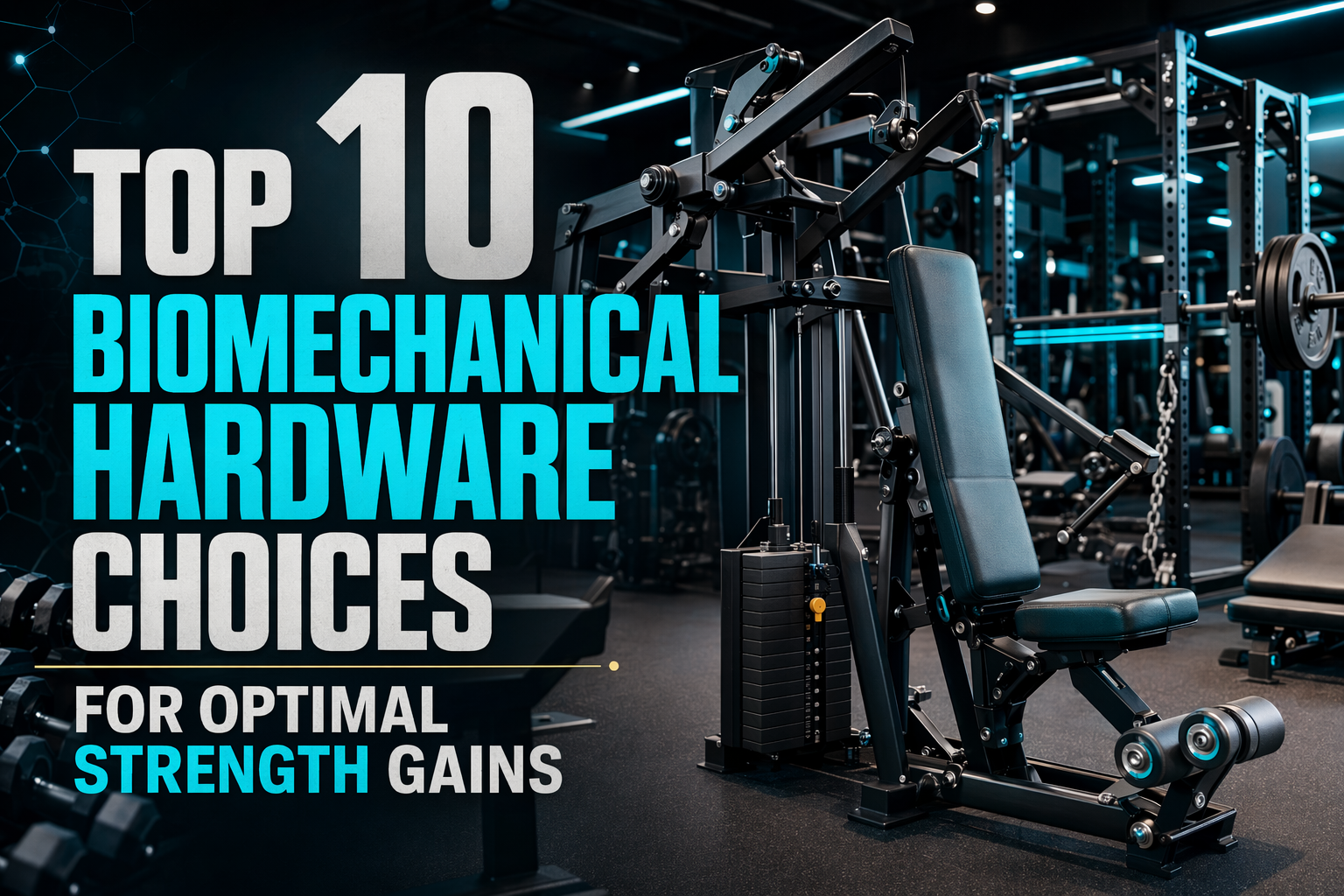
Better strength gains depend on hardware that changes force output, not just load. Many lifters buy by hype or price and miss tools that improve leverage, steady the path, and make progress safer. This ranking covers the best biomechanics-led picks, from racks and bars to cables, presses, and adjustable dumbbells. We chose gear that loads well, fits different bodies, supports solid joint mechanics, and matters in real U.S. training spaces.
Quick Comparison
| Hardware | Best for | Biomechanical edge | Space needs | Training style |
|---|---|---|---|---|
| Hammer Strength Plate Loaded Linear Leg Press | Heavy quad, glute, and hamstring overload | Stable linear force path with low technique noise | Large commercial footprint | Strength, power, and high-load lower body work |
| REP PR-4000 Rack Builder | Safe barbell training and modular home or garage gyms | Improves repeatability and setup consistency for compound lifts | Moderate to large, depending on build | Powerlifting, general strength, and customizable home training |
| Technogym Cable Crossover | Upper-body accessories, unilateral work, and angle-specific training | Constant tension and easy angle manipulation | Large commercial footprint | Strength, hypertrophy, rehab, and general performance |
| REP Open Trap Bar | Deadlifts, loaded carries, and beginner-friendly strength work | Centered load reduces lumbar stress and technique complexity | Compact to moderate | Strength, conditioning, and movement-friendly pulling |
What to know about biomechanical hardware selection
Biomechanical hardware changes leverage, resistance path, stability, or range of motion. That matters because those changes affect force output, joint position, and how cleanly you can repeat a lift under load.
For strength gains, the best gear helps you train hard in strong positions. It should let you use clear technique, push progressive overload, and manage fatigue without turning every set into a balance test.
Good hardware does not replace programming. It makes good programming easier to execute, track, and progress.
1. Hammer Strength Plate Loaded Linear Leg Press
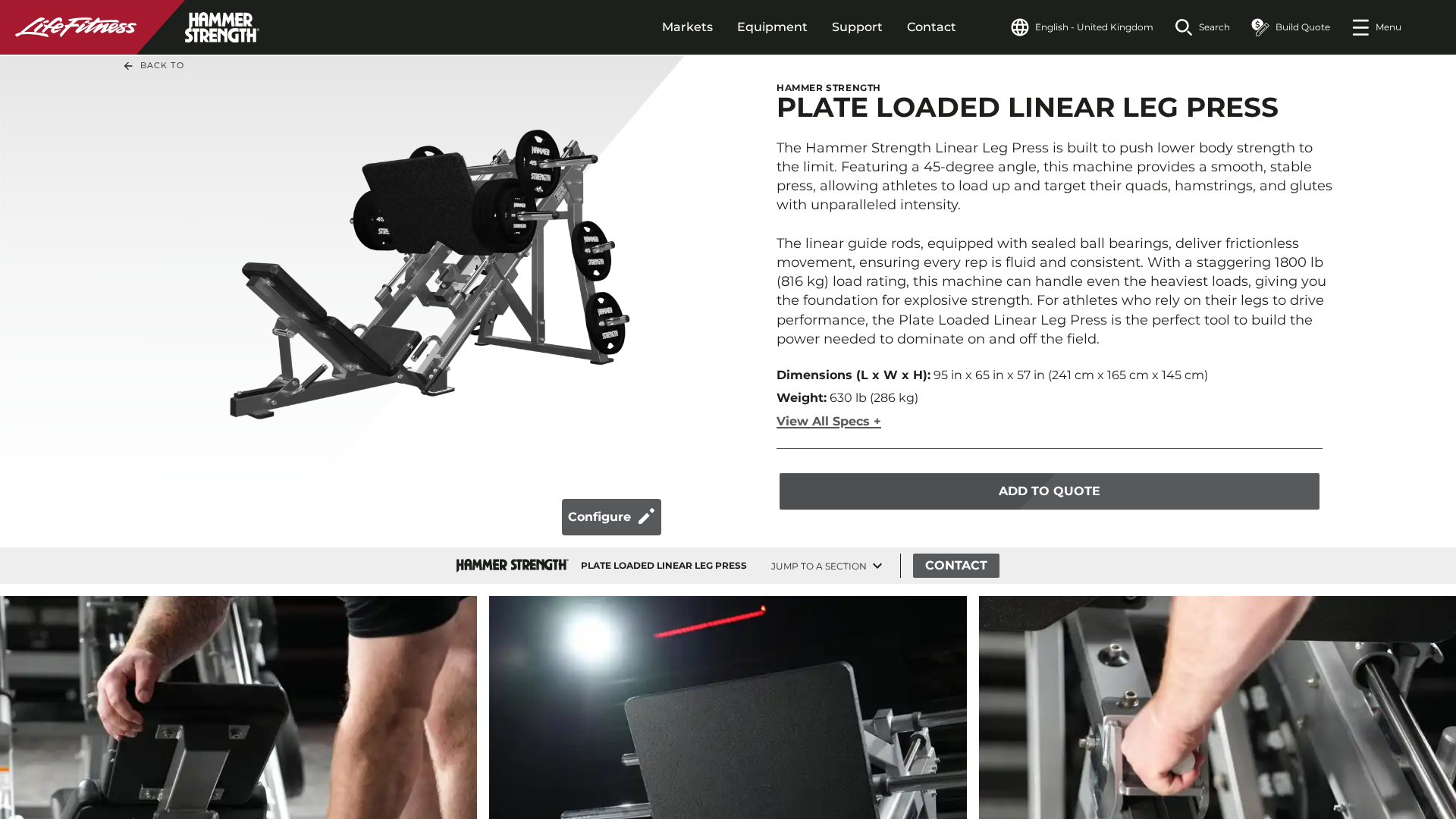
This is one of the best leg press for strength picks if your goal is heavy, repeatable lower-body output. The 45-degree linear design and sealed ball bearings cut technique noise, so more effort goes into force and progression.
Highlights
- 45-degree linear path
- Sealed ball bearings
- 1,800 lb load rating
- Large non-slip platform and adjustable back pad
Specs
- Best for: Heavy quad, glute, and hamstring overload
- Space needs: Large commercial footprint
- Training style: Strength, power, and high-load lower body work
Pros
- Excellent for heavy overload
- Stable path supports hard sets
Cons
- Needs a lot of floor space
- Less balance demand than squats
It ranks here because its load capacity and footprint make it a brutally efficient lower body strength machine.
Last updated: June 19, 2026
2. REP PR-4000 Rack Builder
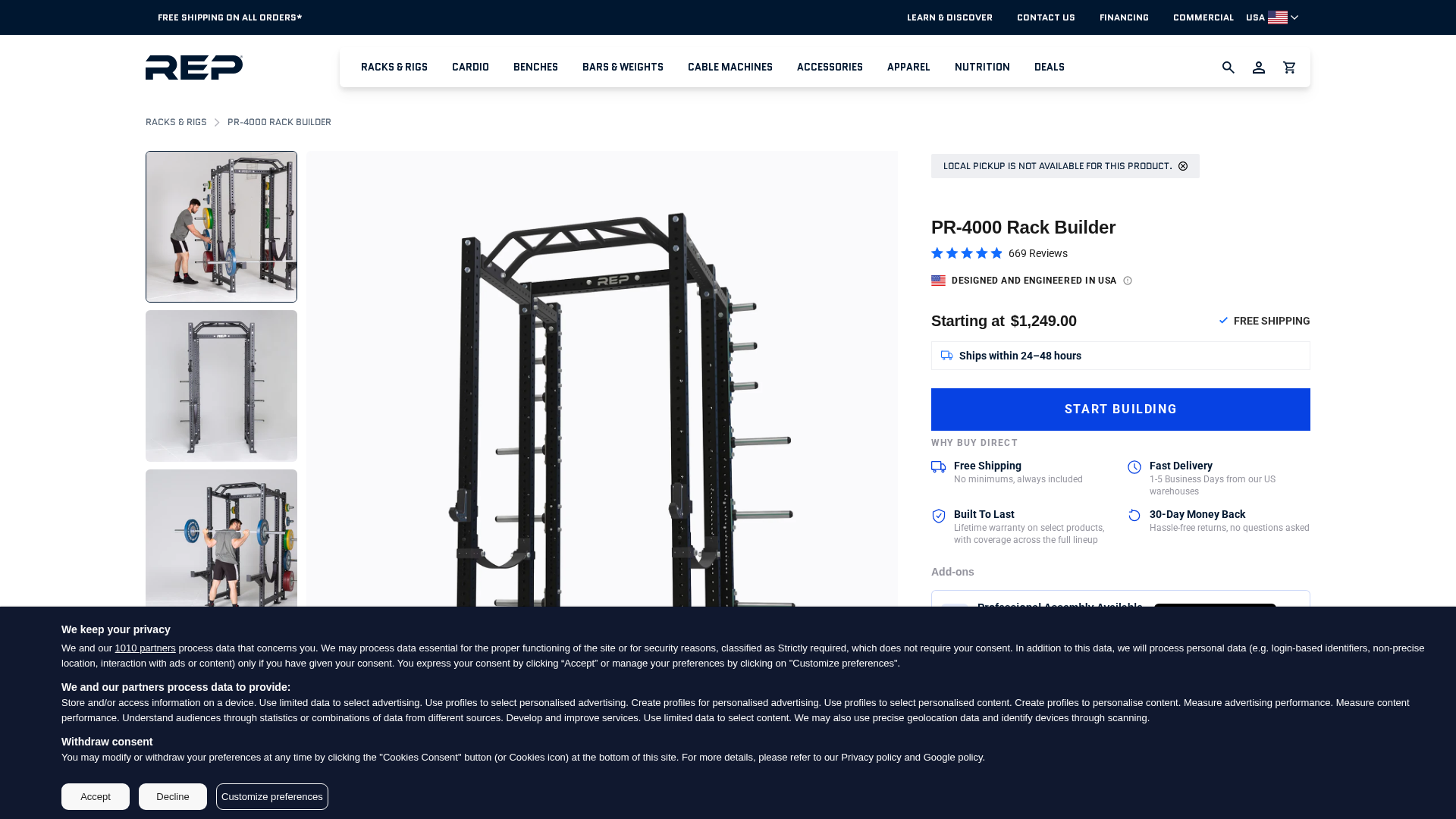
A power rack is the base of a serious setup. The PR-4000 stands out because it keeps barbell work safe, repeatable, and easy to grow with through modular rack options and tight bench-zone spacing.
Highlights
- 3×3-inch 11-gauge steel
- 1,000 lb rackable capacity
- 1-inch hole spacing in the bench zone
- Large attachment ecosystem and modular builds
Specs
- Best for: Safe barbell training and modular home or garage gyms
- Space needs: Moderate to large
- Training style: Powerlifting, general strength, customizable home training
Pros
- Highly expandable
- Strong setup consistency
Cons
- Needs planning
- Less specific than a dedicated machine
It ranks here because it is the backbone that protects lifts and supports long-term overload.
Last updated: June 19, 2026
3. Technogym Cable Crossover
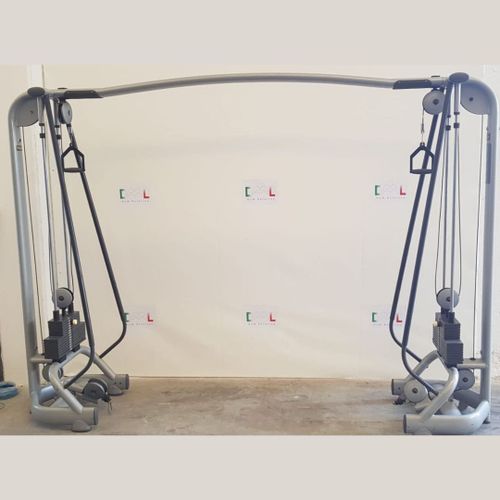
This cable crossover machine keeps tension smooth while letting you change the line of pull fast. That makes it strong for presses, flys, rows, pulldowns, and unilateral work, with the angle control that makes cable machines so versatile and useful for constant tension training.
Highlights
- Dual adjustable pulleys
- Multi-angle pull-up bar
- Smooth resistance across ROM
Specs
- Best for: Upper-body accessories, unilateral work, angle-specific training
- Space needs: Large commercial footprint
Pros
- Very versatile
- Joint-friendly loading
Cons
- Not ideal for absolute maximal barbell strength
- Takes significant space
It ranks here for elite exercise variety, angle control, and consistent loading.
Last updated: June 19, 2026
4. REP Open Trap Bar
This is a smarter deadlift tool for lifters who want strong hinge work with less setup friction. A trap bar keeps the load closer to your center of mass, which can lower lumbar demand and simplify technique, as shown in hex bar research and Stronger by Science.
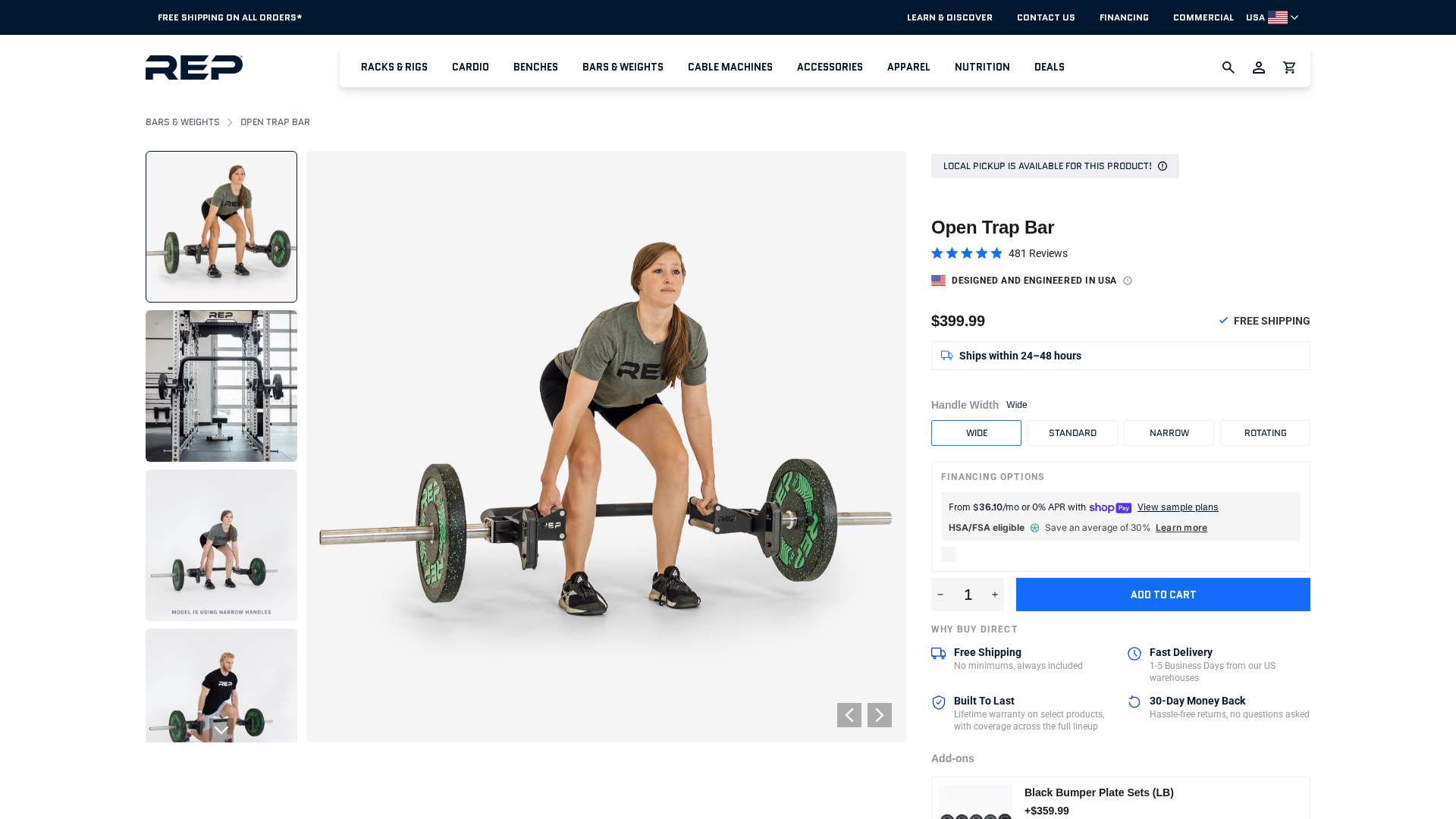
Highlights
- Open frame, neutral handles, and strong carryover for deadlifts, carries, lunges, and presses.
Specs
- Best for: Deadlifts, loaded carries, and beginner-friendly strength work
- Biomechanical edge: Centered load reduces lumbar stress and technique complexity
- Space needs: Compact to moderate
- Training style: Strength, conditioning, and movement-friendly pulling
Pros
- Easier to learn than a straight-bar pull
- More versatile than a standard hex bar
- Useful for athletes and rehab-minded training
Cons
- Less specific to competition deadlifting
- Open design will not suit every setup
It ranks here because it gives a clear joint-friendly strength edge with broad training use.
Last updated: June 19, 2026
Honourable Mentions
A few strong picks missed the main ranking but still make sense for many setups. These runners-up cover home efficiency, guided loading, and safer barbell or pulling mechanics.
- PowerBlock Pro 100 EXP – compact adjustable dumbbells for steady home progression.
- Body-Solid SGLP500 Linear Bearing Commercial Leg Press – smooth guided lower-body loading.
- PowerTec Workbench Power Rack – safe, practical home barbell work.
- Technogym Connected Dumbbells+ – tech-led progression in a compact setup.
- Power Systems Olympic Hex Trap Bar – centered, joint-friendly pulling.
- Ironmaster Quick-Lock Adjustable Dumbbells – rugged, proven durability.
How to choose the right biomechanical hardware for strength gains
Pick based on your main lift and biggest training problem.
- Match the tool to the lift – racks for barbell basics, leg presses for lower-body overload, cables for steady tension, trap bars for a joint-friendly hinge.
- Favor stable load paths – if strength is the goal, repeatable mechanics help you add load safer.
- Buy for space first – in a home gym, footprint matters before max capacity.
- Check real adjustability – pulley height, pad angle, handle width, and small load jumps all change training quality.
- Choose easy setup – coaches and rehab users need fast positioning and low friction.

Want stronger lifts from smarter hardware choices? Hypertrophy Protocol helps you match biomechanics, equipment, and progression so every purchase drives better force, safer joint positions, and long-term strength gains.
Frequently Asked Questions
Q1: What are the top biomechanical hardware choices for maximizing strength gains in the US?
Plate-loaded lever arms, adjustable cable systems, selectorized machines with strong resistance curves, specialty bars, and stable benches lead the list. Pick hardware that lets you load hard, stay aligned, and repeat clean reps.
Q2: How does biomechanical hardware improve muscle hypertrophy and strength in resistance training?
Good hardware keeps joints in better positions, matches resistance to your strength curve, and reduces wasted force. That helps you train closer to failure, use more useful range of motion, and progress with less irritation.
Q3: What features should I look for in biomechanical gym equipment for optimal strength development in the US?
Look for adjustability, smooth resistance, solid bracing, clear setup points, and small load jumps. Prioritize machines and attachments that fit your limb lengths, support full effort, and make progressive overload easy to track.