Building a Bulletproof Infrastructure: Essential Hardware for Lifelong Progress

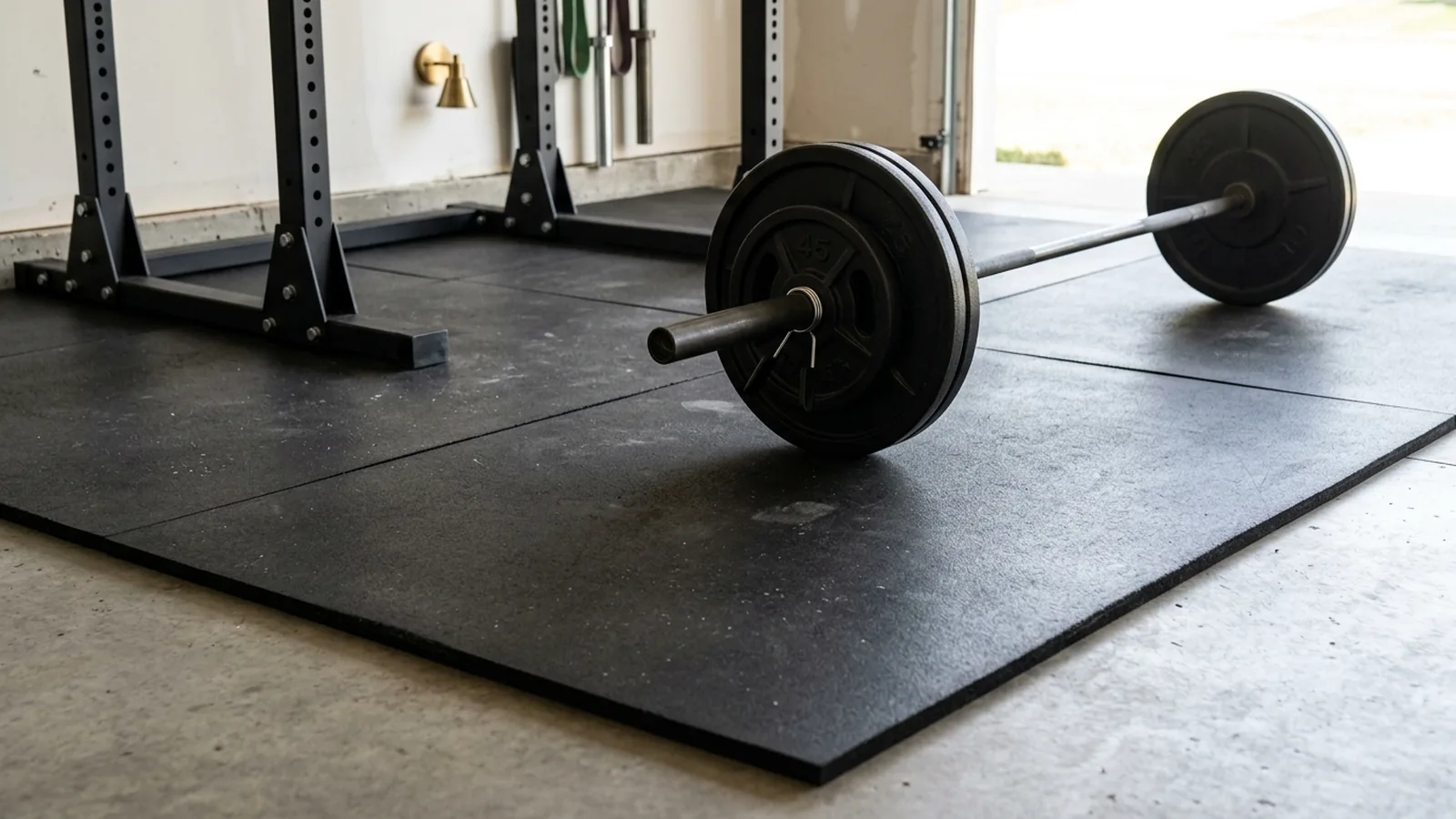
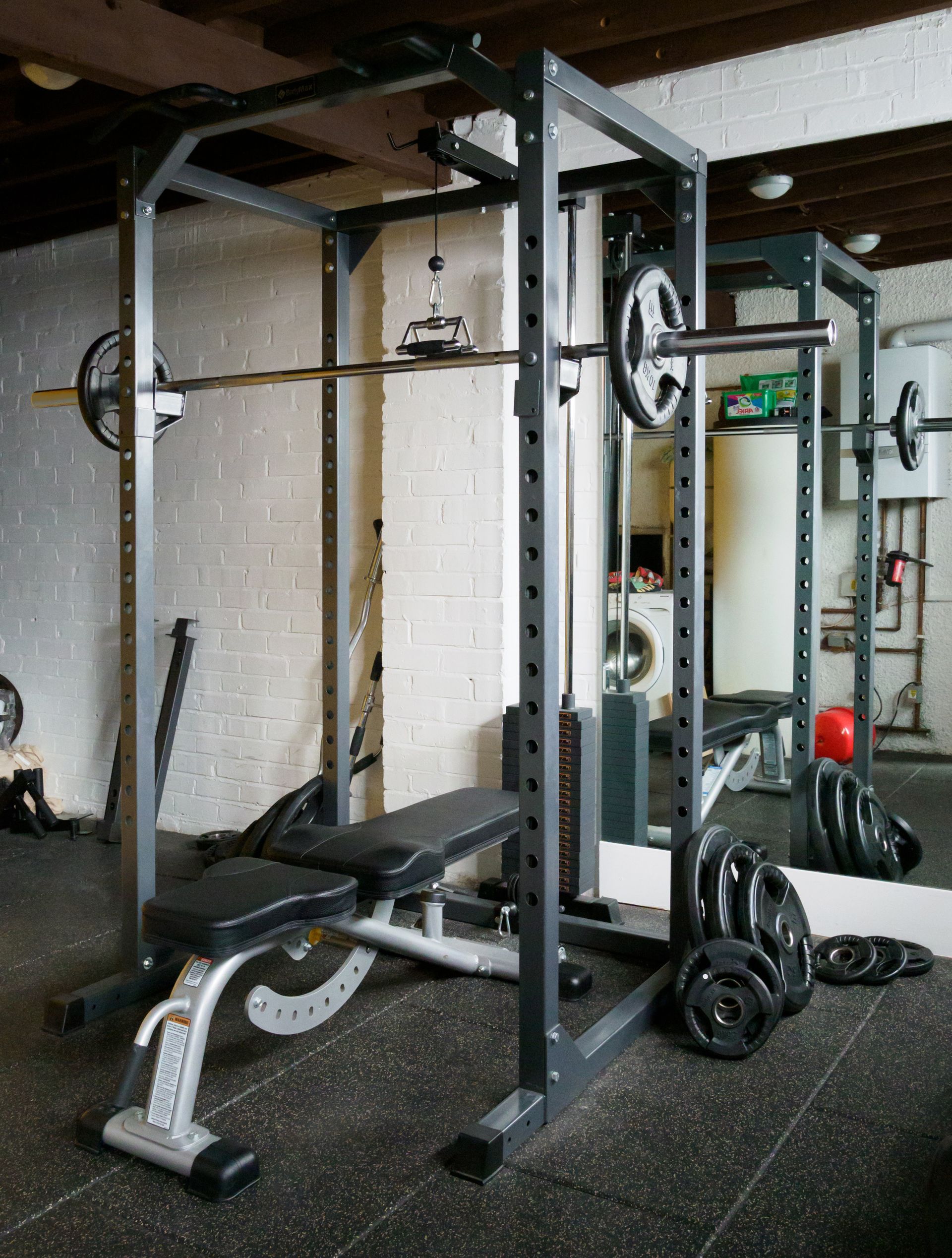
  When we use the term “bulletproof infrastructure” within the Hypertrophy Protocol Lab, we are not speaking metaphorically, nor are we referencing cybersecurity frameworks or UL752-certified ballistic panels for substation hardening. We are referring to the literal, physical, load-bearing hardware ecosystem that must undergird a lifetime of progressive resistance training. Just as CISA, NSA, and … Read more

Using Bio-Feedback to Adjust Your Hypertrophy Training in Real-Time

At the Hypertrophy Protocol Lab, we have long maintained that the most effective training programs are not static prescriptions but dynamic systems that respond to the trainee’s physiological state in real time. The traditional model of hypertrophy programming — where an athlete follows a predetermined set-and-rep scheme regardless of daily readiness — is increasingly being … Read more

Why Modular Systems Represent the Future of Personalized Hypertrophy Training

  At the Hypertrophy Protocol Lab, we have spent years evaluating the intersection of structural engineering, biomechanical load management, and progressive overload methodology. Over the course of that work, we have observed a decisive shift in how serious training facilities — and increasingly, dedicated home gyms — approach the physical infrastructure of muscle growth. The … Read more

Infrared vs. Red Light: Which Wavelength is Best for Deep Tissue?

  At the Hypertrophy Protocol Lab, we encounter this question with increasing frequency from athletes, clinicians, and performance coaches alike: when the therapeutic goal is deep tissue penetration—reaching muscle bellies, joint capsules, and periosteal layers—which photobiomodulation (PBM) wavelength actually delivers? The answer is not a matter of brand preference or marketing narrative. It is a … Read more

The Most Effective Rack Attachments for Maximizing Lat Width and Thickness

  At the Hypertrophy Protocol Lab, we dedicate our research to identifying equipment configurations that produce measurable, repeatable hypertrophic outcomes. Among the most common inquiries we receive from trainees, coaches, and facility designers concerns one persistent anatomical goal: building lats that are both wide and thick. These two qualities, while visually complementary, are driven by … Read more

Barbell Knurling Analysis: When to Deploy Passive vs. Aggressive Grips

  When we evaluate the structural interface between a lifter and a loaded barbell, we consistently identify one variable that is chronically underanalyzed in most training environments: knurling geometry. At the Hypertrophy Protocol Lab, we consider the knurl pattern on a barbell to be a critical piece of biomechanical hardware, not a cosmetic afterthought. It … Read more

The Bio-Mechanics of Progressive Overload in Small Training Spaces

  At the Hypertrophy Protocol Lab, we routinely encounter a persistent misconception: that meaningful progressive overload requires expansive floor space, loaded barbells, and a full rack ecosystem. Our clinical and biomechanical assessments tell a different story. Progressive overload is a principle rooted in physiology, not geography. The square footage of a training environment does not … Read more

Nutritional Protocols for Intraworkout Recovery and Endurance

  At the Hypertrophy Protocol Lab, we approach intra-workout nutrition not as an afterthought or a marketing opportunity, but as a precise intervention rooted in substrate metabolism, fluid dynamics, and neuromuscular performance science. The period during active training represents a unique metabolic window — one where the body is simultaneously catabolizing fuel stores, generating metabolic … Read more