Turn Your Rack Into a Dual Functional Trainer With Bulletproof
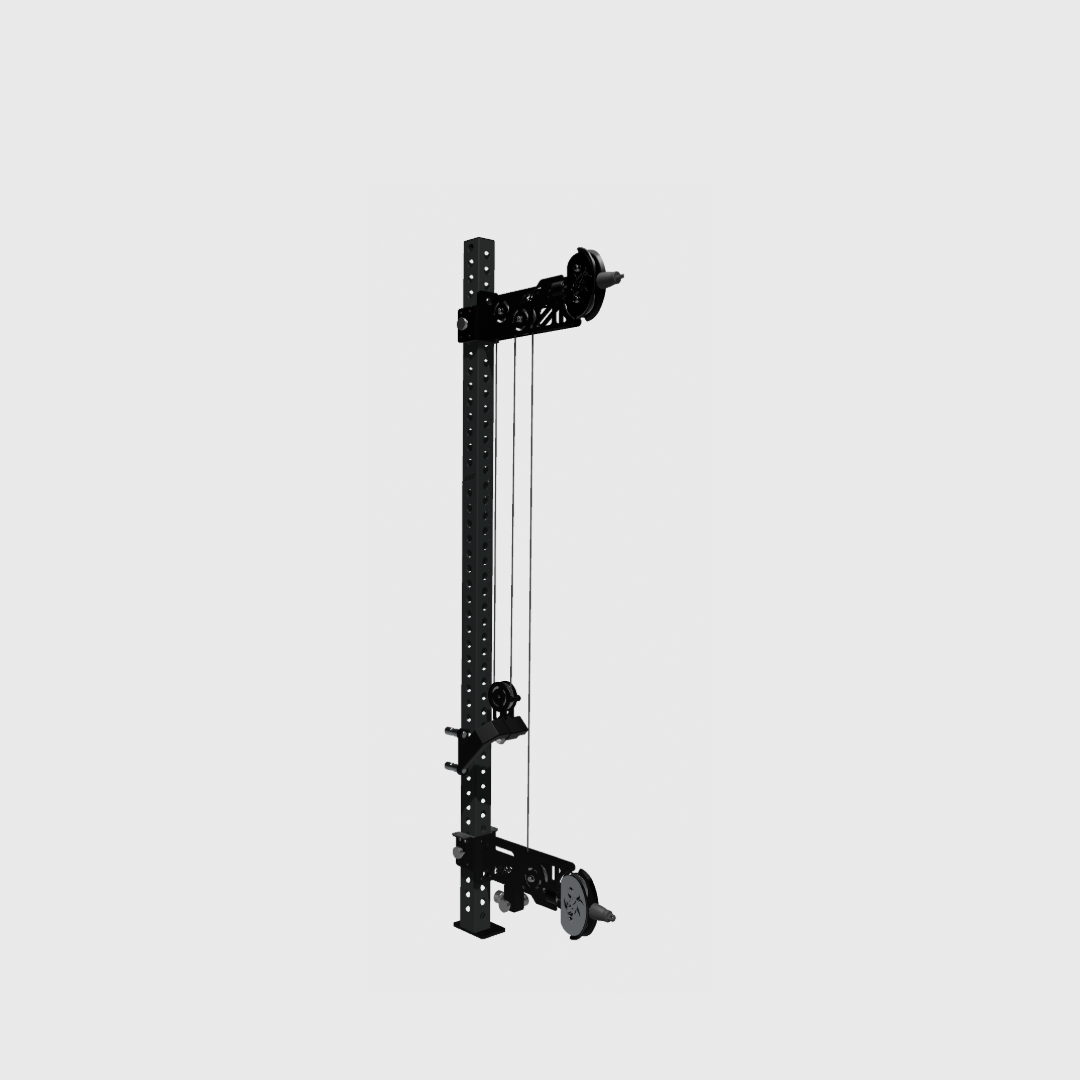
Turn a 3×3 rack into a dual functional trainer with one VTS or VTS Lite pair plus Left and Right High/Low pulleys. Exact parts, cable path, fit limits.
Equipment guides for home gyms: power racks, rack attachments, cable systems, and benches, compared on the specs that matter. Hole spacing, hardware size, steel gauge, and cross-brand compatibility, written from a coastal garage gym.
Turn a 3×3 rack into a dual functional trainer with one VTS or VTS Lite pair plus Left and Right High/Low pulleys. Exact parts, cable path, fit limits.
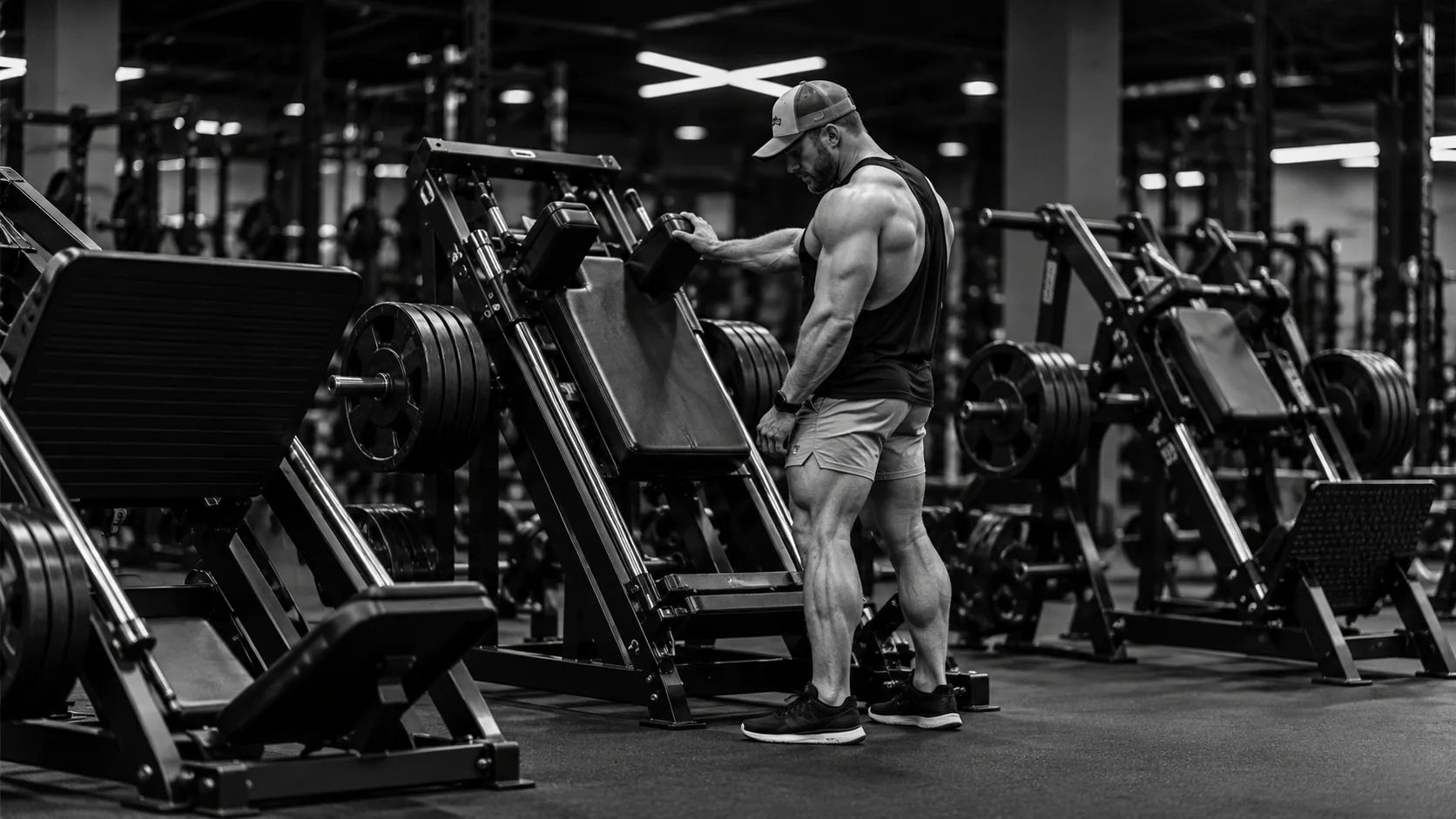
Barbell, hack, pendulum, lever arms, SquatMax-MD, Rogue Rhino, Voltra, and the new Bulletproof VBS all “squat” — but they load different places, move on different paths, and fight you at different points in the rep. Here’s what the research supports, what it doesn’t, and how to pick the one your home gym actually needs.
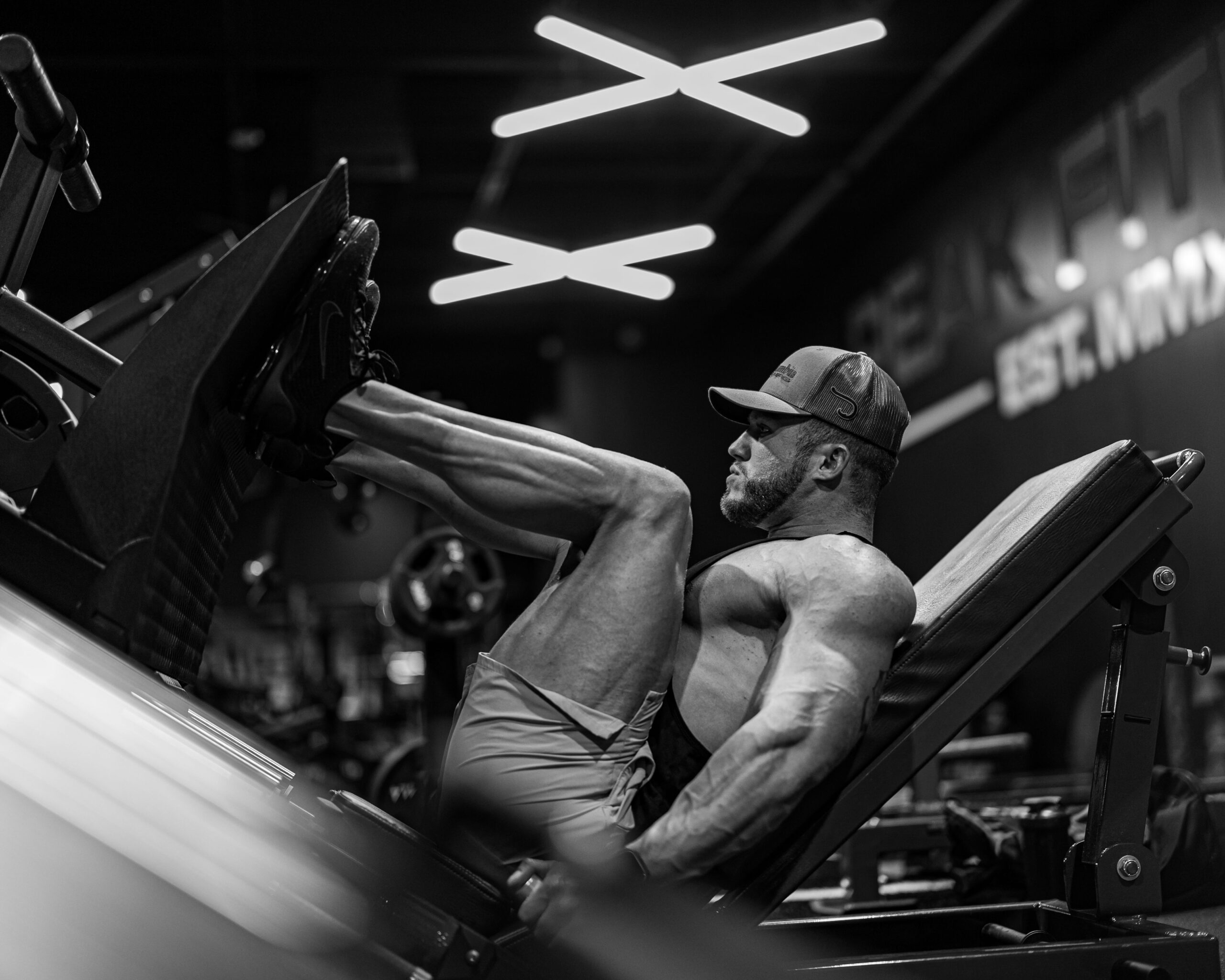
Standalone, rack-mounted, Smith plate or VTS Launch Pad? Compare home gym leg press footprints, load ratings and what each type needs to fit your gym.
Which power rack specs matter for home hypertrophy training: upright and hole size, ceiling height, depth, wall space and safeties. Worked example.
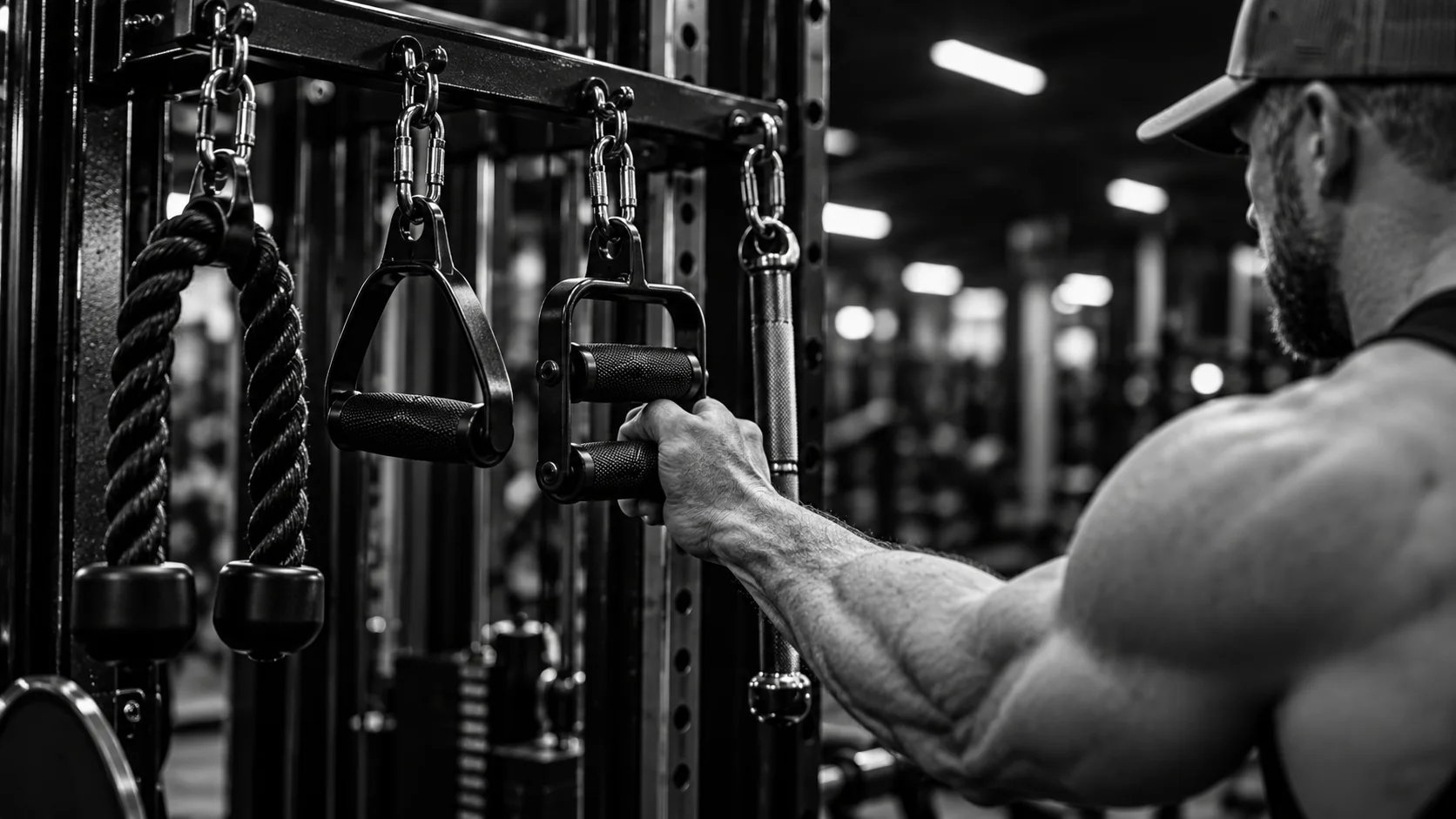
Which cable handle suits which muscle: pulldown bars, V-handles, ropes, D-handles and ankle cuffs matched to lats, triceps, biceps, chest, delts and glutes, plus a six-piece starter kit.
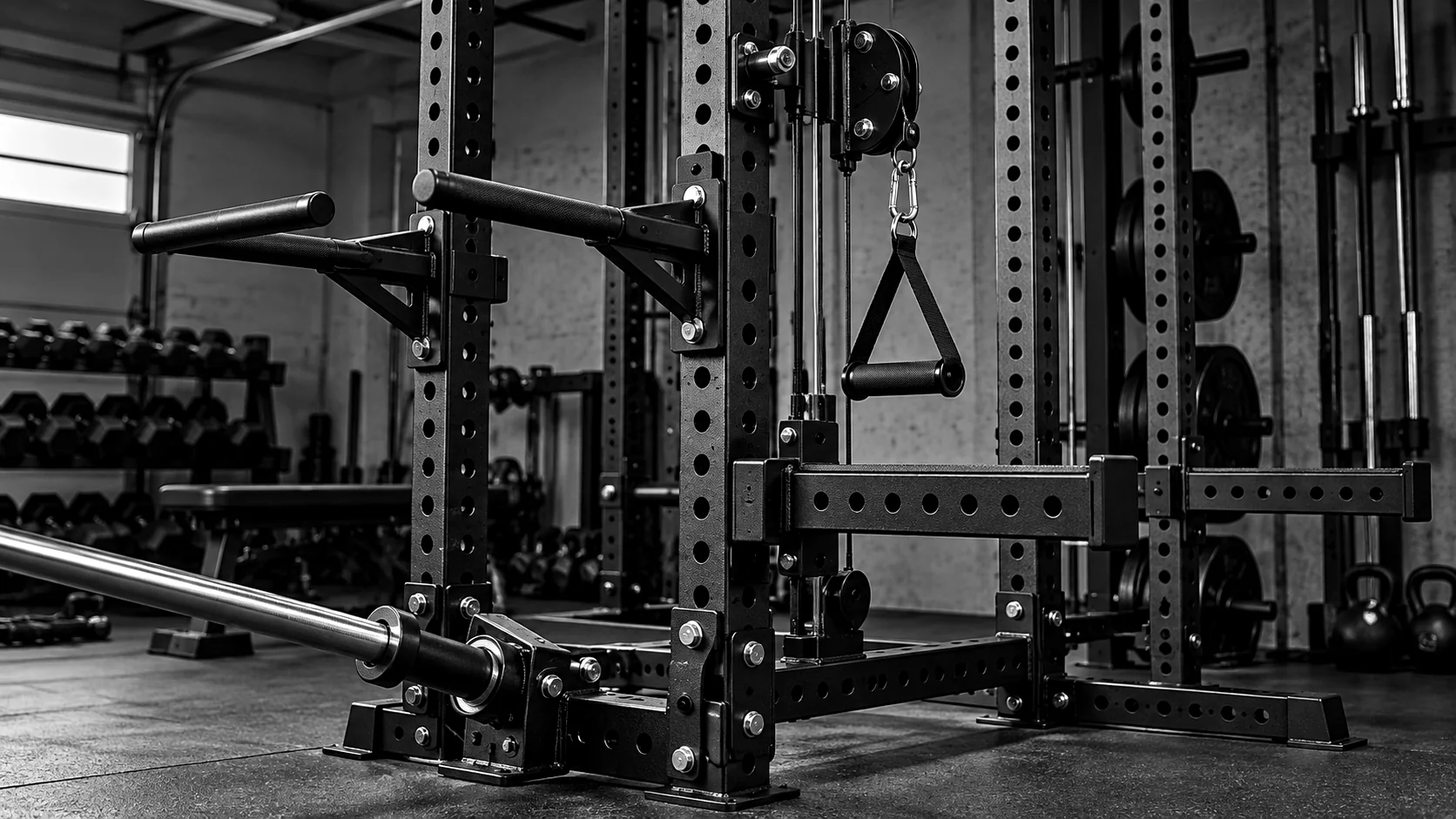
The 10 rack attachments and machines that do the most for muscle growth in a home gym, ranked by what they let you train that a bare rack can’t — with who each one is for and who should skip it.
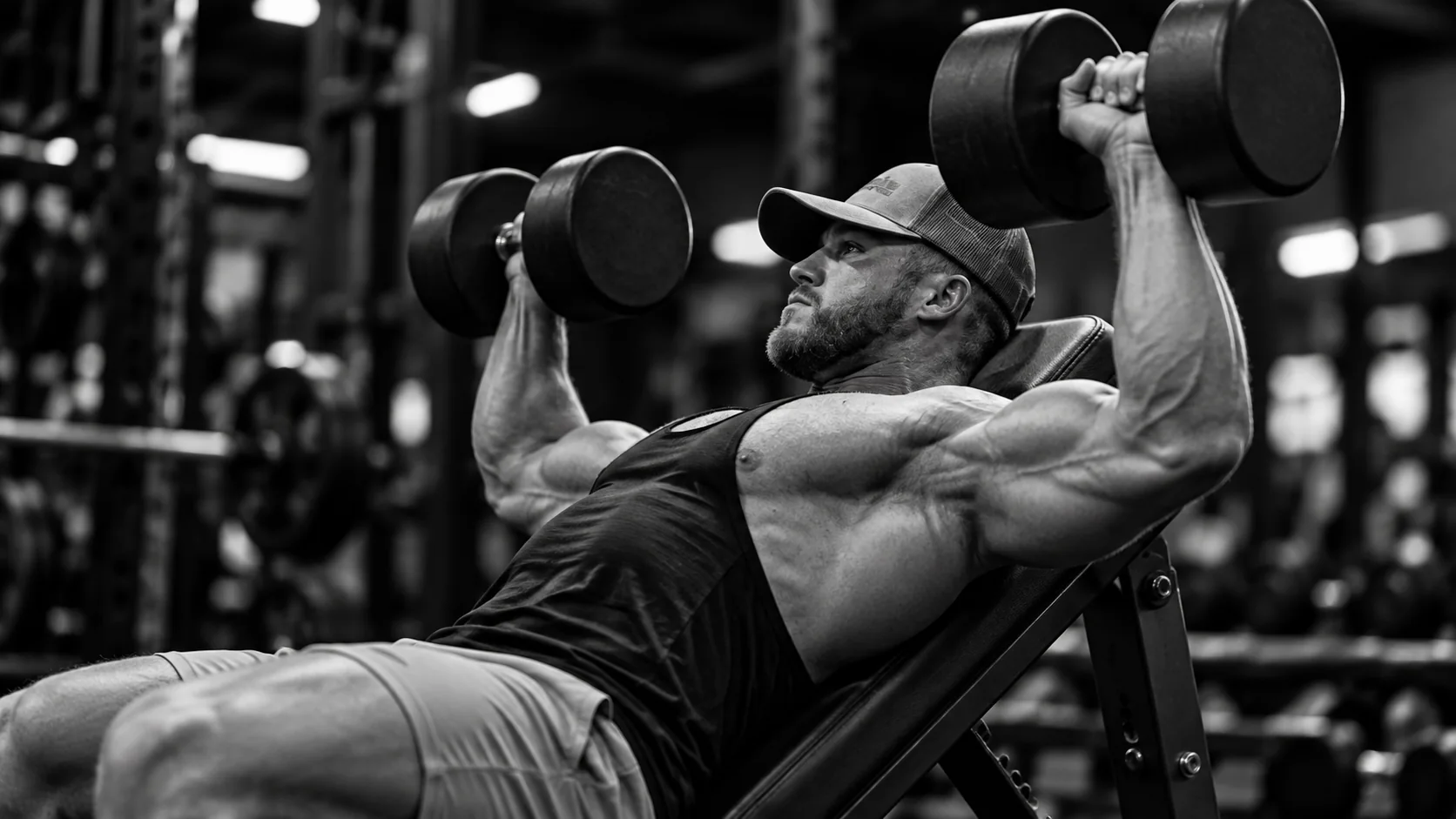
Which incline bench angle hits your upper chest? What EMG and training studies show for 15, 30 and 45 degrees, and what research hasn’t proven yet.
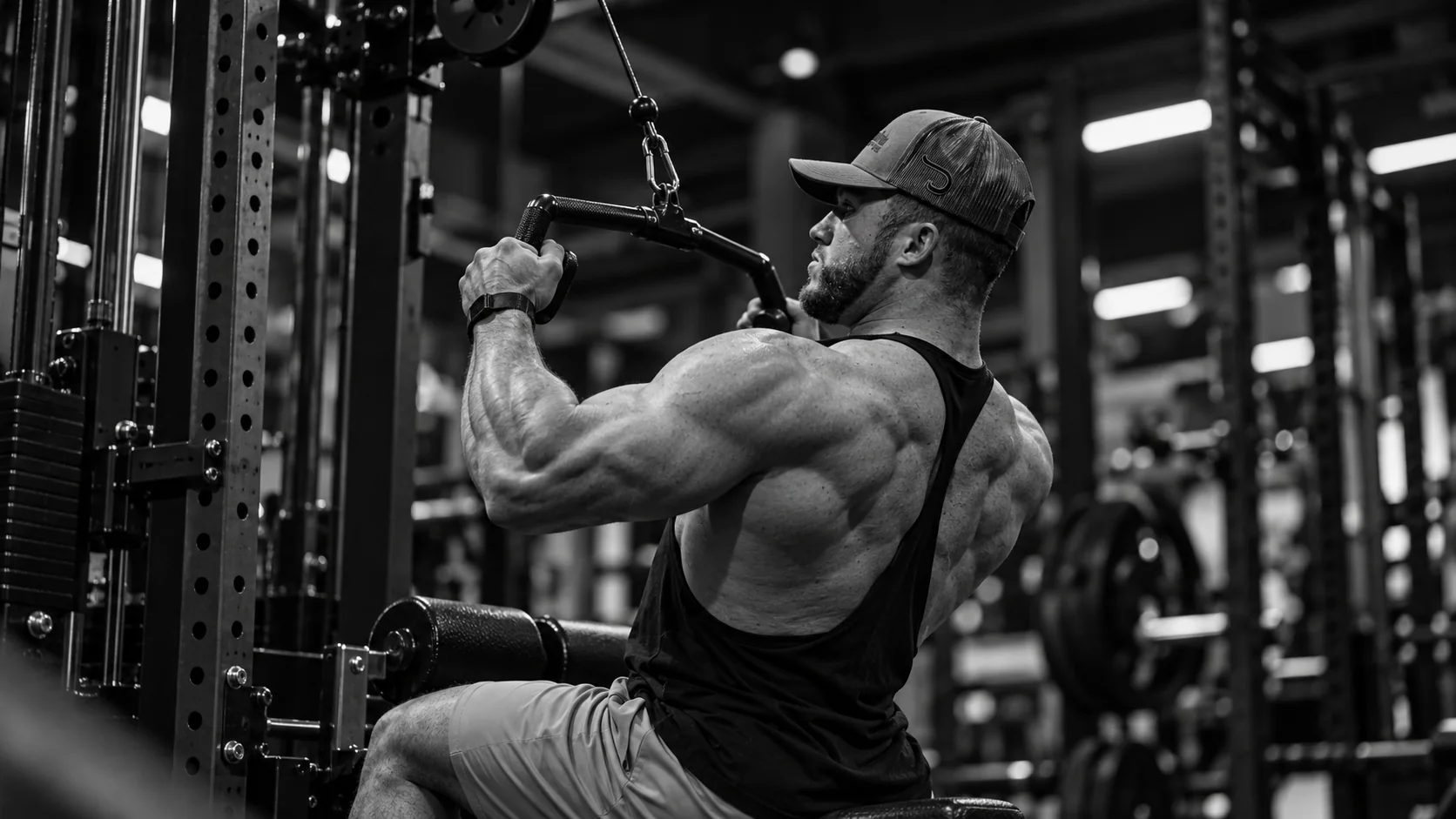
Short answer: a rack-mounted lat pulldown and low row combo covers most of what your lats need, and handle choice matters less than most guides claim. The popular rule of “pulldowns for width, rows for thickness” is a coaching shorthand, not a tested finding. Both movements train the lats. What shifts the emphasis most … Read more
On a 1:1 cable the handle feels roughly what the stack says; on a 2:1 it feels about half, with twice the cable travel. How each ratio changes load ceiling, progression steps and which suits your training.
Short answer: neither is better across the board. Plate-loaded machines win on load ceiling, cost, and fine increments with small plates; weight stack machines win on speed of changing weight and a smoother, more controlled feel. For muscle growth, both work well. What matters more than the loading type is the specific machine’s pulley ratio … Read more