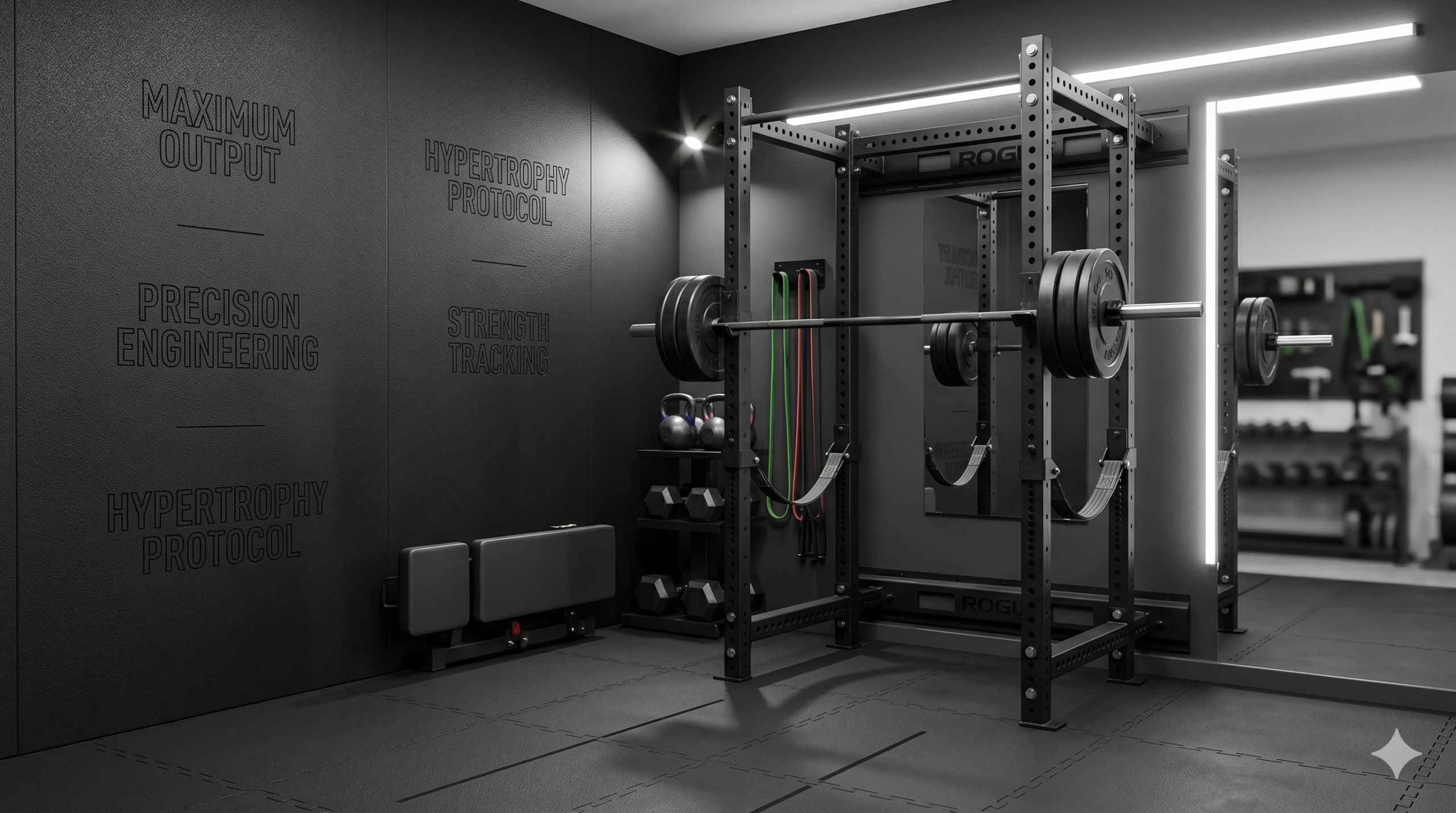
How to Design an Elite Performance Environment in a 10×10 Space

  When we evaluate the constraints of a 100-square-foot training footprint, we do not see limitation—we see a biomechanical engineering problem with a precise solution set. At the Hypertrophy Protocol Lab, we have spent considerable time analyzing how spatial constraints interact with load-bearing hardware, movement planes, and athlete workflow. The result is a clinical framework … Read more

Mitochondrial Health: The Hidden Key to Consistent Strength Gains

When we evaluate why certain trainees plateau despite progressive overload adherence, adequate protein intake, and sufficient training volume, we consistently find that the conversation neglects a fundamental biological substrate: mitochondrial health. At the Hypertrophy Protocol Lab, we have observed that the athletes and clients who sustain consistent strength gains over years—not weeks—share a common physiological … Read more

The Evolution of Modular Gym Equipment: From Static Frames to Dynamic Ecosystems

In our laboratory, we have spent years analyzing the structural engineering, biomechanical efficacy, and material science behind resistance training equipment. What we have witnessed over the past decade—and particularly in the last 24 months—represents nothing short of a paradigm shift in how strength training hardware is conceived, manufactured, and deployed. The industry has moved from … Read more

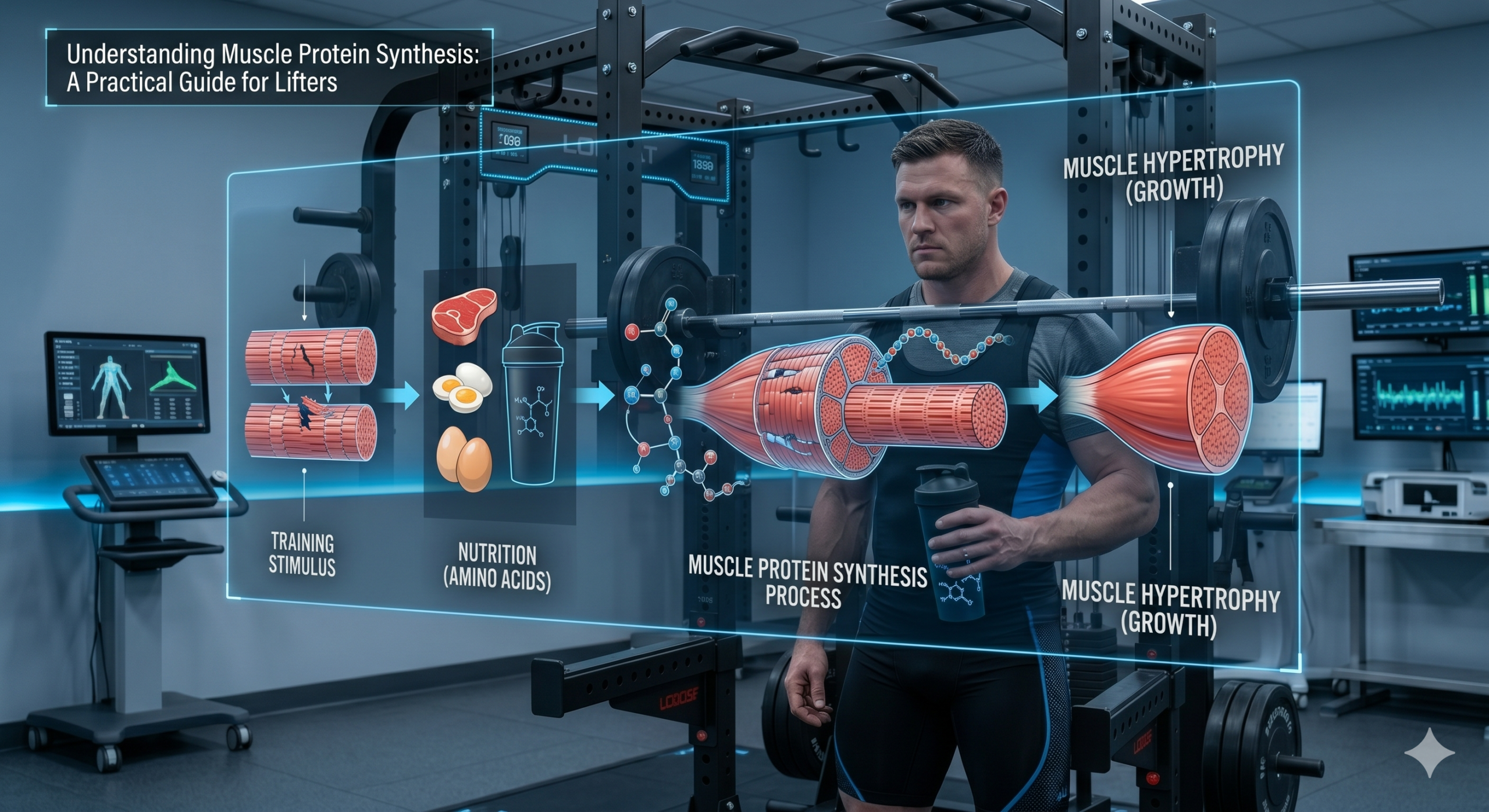
The Role of Mechanical Tension in Modern Hypertrophy Protocols

For over two decades, the applied exercise science community operated under a tripartite model of muscle hypertrophy, attributing growth to three ostensibly equal mechanisms: mechanical tension, metabolic stress, and muscle damage. We now possess sufficient evidence—culminating in a landmark November 2025 systematic review published in the Journal of Sport and Health Science and reinforced by … Read more

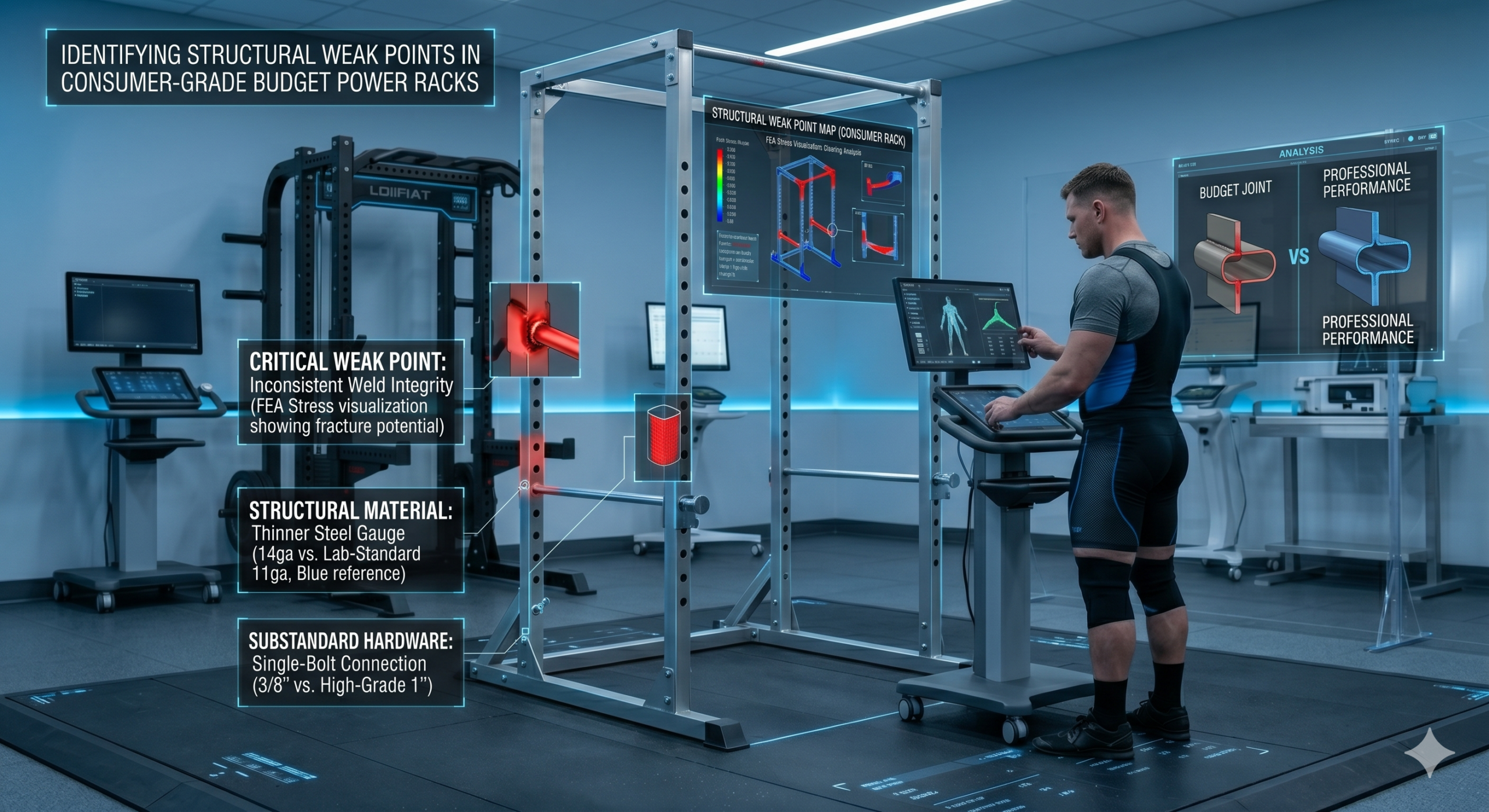
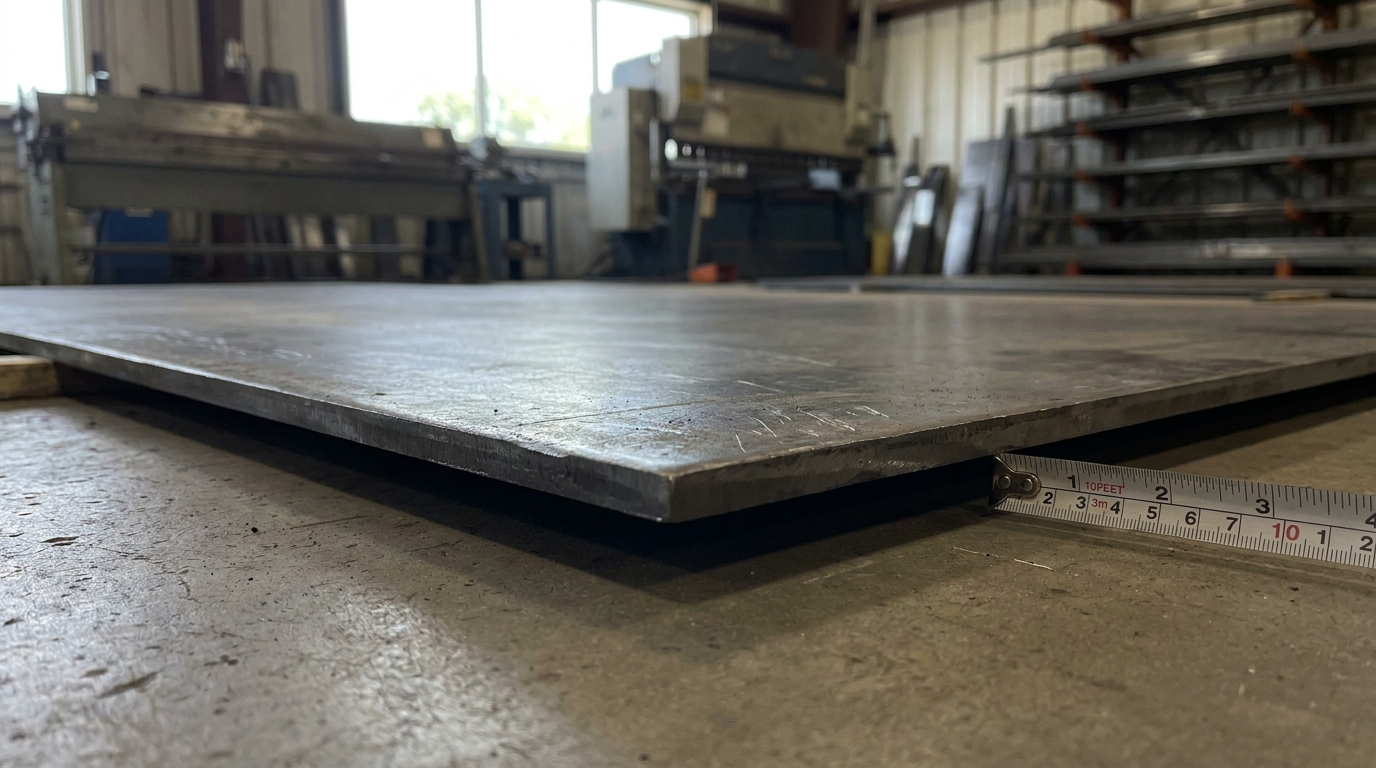
11-Gauge vs. 14-Gauge Steel: The Engineering Behind Rack Safety

  At the Hypertrophy Protocol Lab, we evaluate training equipment with the same rigor we apply to programming variables: objectively, quantifiably, and without deference to marketing narratives. When we assess power rack infrastructure, steel gauge selection emerges as one of the most consequential engineering decisions that separates equipment capable of supporting serious progressive overload from … Read more

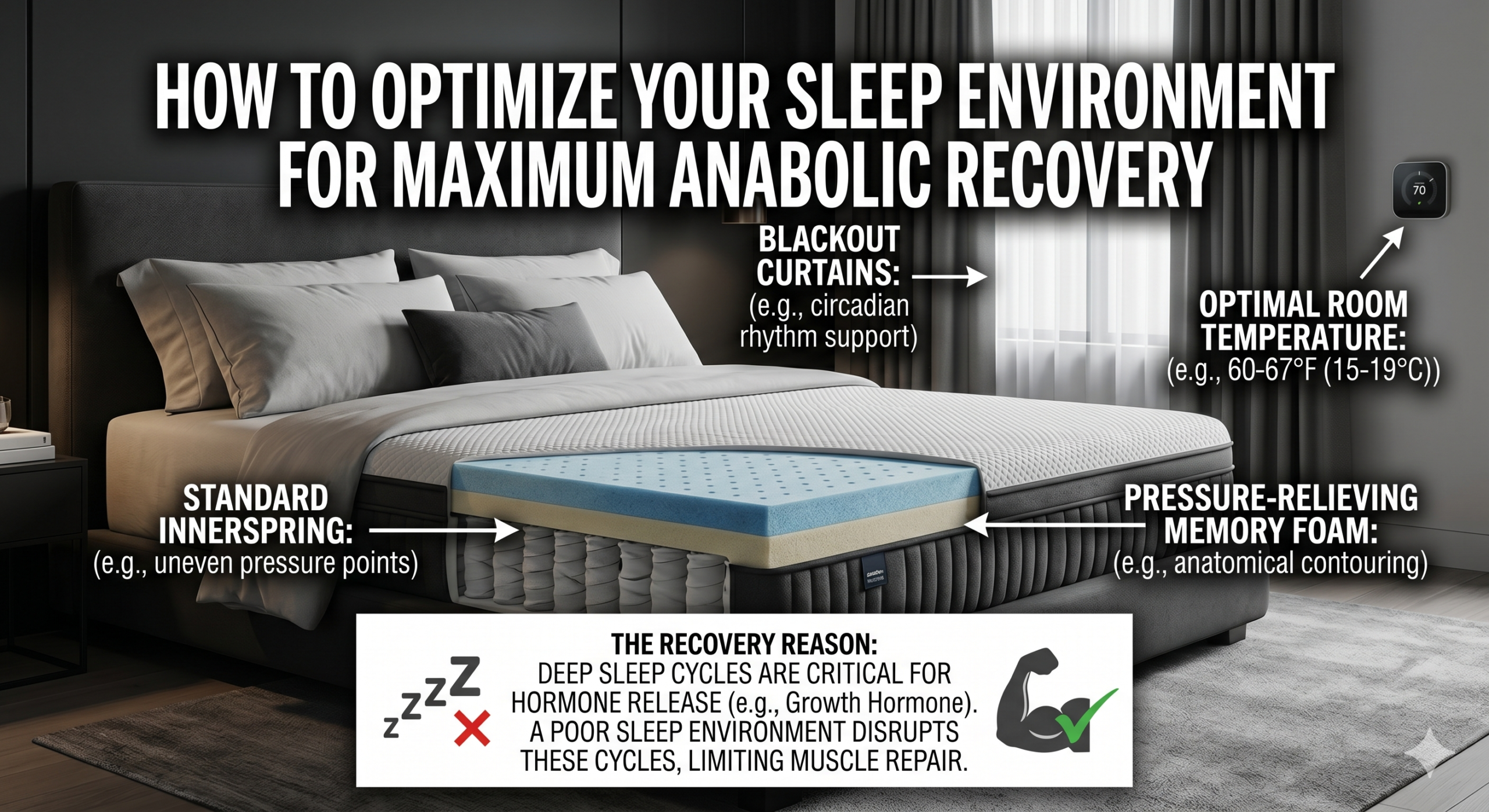
How 670nm Red Light Therapy Accelerates Muscle Tissue Repair

  At our lab, we approach every recovery modality with a singular question: what is the precise biophysical mechanism, and at what parameters does it produce a measurable tissue-level outcome? Photobiomodulation (PBM)—the clinical term for therapeutic light application—has moved well beyond speculative territory. Within the red and near-infrared (NIR) spectrum, the 670nm wavelength occupies a … Read more

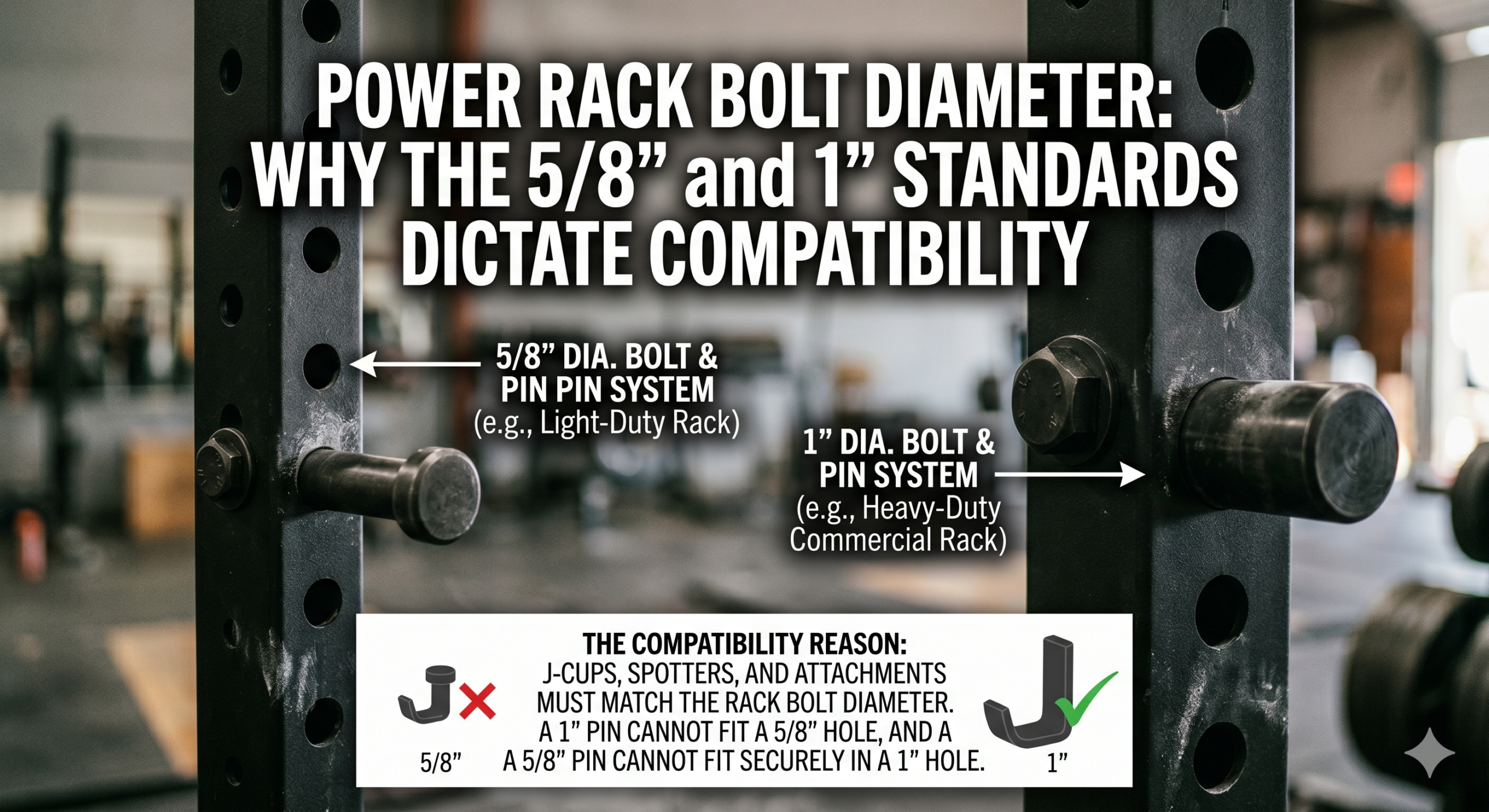
Why 3×3 Steel Racks are the Gold Standard for Professional Performance Facilities

  In our decades of evaluating strength training infrastructure, we have observed a clear and consistent pattern across elite performance facilities worldwide. Whether we examine Division I athletic departments, professional sports complexes, military tactical strength programs, or high-volume commercial training centers, the 3×3 steel rack system emerges repeatedly as the foundational hardware upon which serious … Read more

The Science of Myofibrillar Hypertrophy vs. Sarcoplasmic Growth

The debate surrounding myofibrillar hypertrophy versus sarcoplasmic growth has persisted in exercise science for decades, often oversimplified into binary categories that fail to capture the nuanced biology occurring within skeletal muscle fibers. At our laboratory, we have committed significant analytical resources to dissecting the mechanistic underpinnings of each hypertrophic pathway—not as competing phenomena, but as … Read more